

Let me be honest with you, the first time I tried cutting a branch thicker than my wrist with just a handsaw, I gave up halfway through and left an ugly half-cut stub hanging off my oak tree for three weeks. Not my proudest moment.
But here’s the thing: you don’t need a chainsaw for most branch removal jobs. With the right tools, the right technique, and a little patience, you can take down branches that look impossibly thick cleanly, safely, and without disturbing the whole neighborhood at 8 in the morning.
Here’s everything I’ve learned the hard way.
Why You Might Want to Skip the Chainsaw
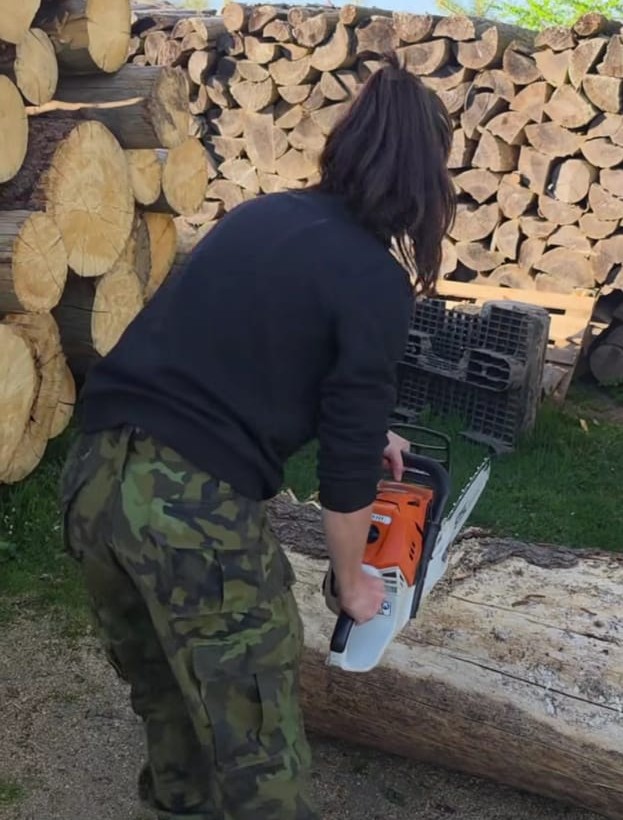
Chainsaws are loud, heavy, and genuinely dangerous in the wrong hands. They also tend to be overkill for branches under 4–5 inches in diameter. Beyond the obvious safety concerns, a chainsaw on a ladder is a recipe for a very bad day.
For most homeowners dealing with overgrown trees, storm damage, or basic pruning, manual and semi-powered tools are more than enough, and they give you far more control over the cut.
Tools That Actually Work on Thick Branches
1. A Good Pruning Saw
Not a regular wood saw. A proper pruning saw is the kind with aggressive, curved teeth designed to cut on both the push and pull strokes. These things are surprisingly capable. A quality pruning saw can work through a 4-inch branch without much trouble if you let the tool do the work.
Look for one with a blade at least 13–15 inches long if you’re dealing with anything serious. Folding versions are great for storage, but a fixed-blade saw gives you more leverage on bigger cuts.
2. A Bow Saw
Old-school but effective. Bow saws have a long blade stretched in a C-shaped frame, and they cover a lot of material per stroke. They’re especially useful for horizontal branches where you have room to work with the full arc of the blade. On branches up to 5 or 6 inches, a bow saw is honestly a pleasure to use once you get a rhythm going.
3. A Reciprocating Saw (Sawzall)
This is the sweet spot between a chainsaw and a handsaw for a lot of people. Plug it in, put on a wood-cutting blade, and it’ll rip through thick branches quickly without the weight or danger of a chainsaw. It’s not glamorous, but it works. If you already own one for home projects, don’t overlook it.
4. A Pole Saw
For branches that are high up, a manual or electric pole saw is the answer. Manual pole saws have a pruning saw head on a long, extendable handle. They’re slow, but they’re safe, and they work. Electric and battery-powered pole saws have gotten really good in recent years. They can reach 8–12 feet overhead and handle branches 4–6 inches thick without breaking a sweat.
5. A Lopper
Heavy-duty loppers with long handles can cut branches up to about 2 inches in diameter cleanly in a single motion. Not useful for genuinely thick branches on their own, but great for clearing smaller growth around the branch you’re targeting, which makes the whole job easier.
The Three-Cut Method (Don’t Skip This)
This is the single most important thing in this entire article. If you just hack at a thick branch from the top down, you will almost certainly end up with a long strip of bark tearing down the trunk as the branch falls under its own weight. That wound can invite disease and take years to heal properly.
The three-cut method prevents this entirely.
Cut 1: The undercut. About 12–18 inches from the trunk, cut upward into the branch from below. Go about a third of the way through. This is your safety cut; it stops any bark tearing before it reaches the trunk.
Cut 2: The relief cut. A few inches further out from your first cut (away from the trunk), cut straight down through the branch from the top. The branch will fall, but the undercut stops any bark from tearing toward the tree. You’ll now have a shorter stub.
Cut 3: The final cut. Now cut the remaining stub off at the branch collar, that slightly raised, wrinkled ring of bark where the branch meets the trunk. Don’t cut flush against the trunk, and don’t leave a long stub. The collar is where the tree heals itself, so you want to leave it intact.
That’s it: three cuts, clean result, healthy tree.
A Few Things People Get Wrong
Cutting too close to the trunk. Feels like the tidy thing to do, but cutting into the branch collar actually removes the tissue the tree needs to seal the wound. Leave the collar.
Cutting too far from the trunk. A long stub will die back, rot, and become an entry point for pests and disease. Cut at the collar, not 6 inches out from it.
Not bracing the branch. On big cuts, have someone support the branch as you finish the cut or tie it off beforehand. A falling branch can crack, twist, and tear in ways you didn’t expect.
Using a dull blade. This sounds obvious, but a dull saw makes everything harder and more dangerous. You end up forcing the cut, losing control, and tiring out fast. A sharp blade does the work; you just guide it.
Cutting in the wrong season. For most trees, late winter or early spring, before new growth starts, is ideal for heavy pruning. The tree heals faster, and you’re not dealing with full leaf weight on the branches.
What About Really Thick Branches Like 8 Inches or More?
Honestly? Anything much over 6–7 inches starts to get into territory where it’s worth calling a professional arborist, especially if the branch is overhead, near a structure, or close to power lines.
That said, if the branch is low, accessible, and you have time, a sharp bow saw, or reciprocating saw with the three-cut method will get it done. It’ll just take longer and more effort. Work in stages if needed; remove smaller sections from the outer end first to reduce weight before making your final cuts near the trunk.
Quick Safety Reminders
- Always work with someone nearby, especially for larger branches
- Wear safety glasses, as sawdust and small chips fly more than you think
- Check what’s below the branch before you start
- Never work directly under the branch you’re cutting
- On a ladder, never cut above shoulder height; it kills your control
The Bottom Line
Cutting thick branches without a chainsaw is completely doable for most home situations. The right saw, the three-cut technique, and a little patience will get you through probably 90% of what your average backyard throws at you. Save the chainsaw rental (or the call to the pros) for the genuinely big stuff.
Start with good tools. Cut smart. And for the love of your tree, don’t skip that undercut.