

If you’ve ever used a table saw, you’ve probably heard the term “kickback” thrown around like it’s just another woodworking inconvenience. It’s not. Kickback is the single most common reason people end up in the emergency room because of a table saw, and it happens so fast that you genuinely don’t have time to react.
One second you’re cutting a board, the next it’s flying back at you like it was shot out of a cannon. The good news is that kickback is almost entirely preventable once you understand why it happens and what triggers it.
What Actually Causes Kickback
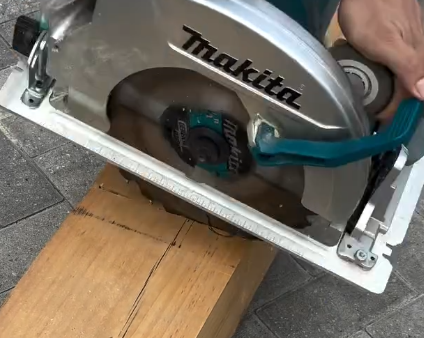
Kickback usually comes down to one simple thing: the wood gets pinched. When a board binds between the spinning blade and something stationary, like the rip fence, the back teeth of the blade grab it and throw it backward toward you with a lot of force.
Think about it this way: the front of the blade spins downward into the table, but the back of the blade spins upward, away from the table. If your workpiece touches those rising teeth, it gets launched.
A few specific situations make this much more likely. Ripping a warped, twisted, or wet board is a common culprit, since the stock doesn’t sit flat and ends up wandering into the blade. A fence that isn’t perfectly parallel to the blade will also pinch the wood as it passes through.
Letting go of the workpiece before it’s completely past the blade, cutting freehand without a fence or miter gauge, or using a dull blade that has to work harder than it should are all recipes for trouble, too.
Set Up Your Saw Correctly First
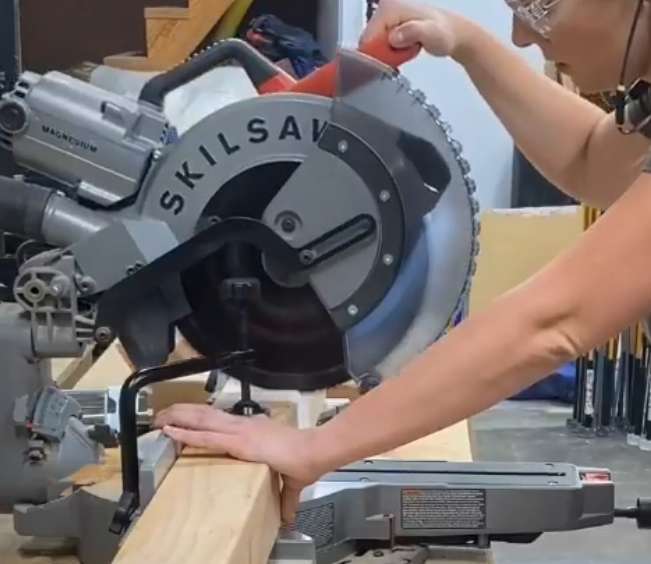
Most kickback problems start before the saw is even turned on. Check that your fence is parallel to the blade and to the miter slot. A combination square works fine for this if you don’t want to buy a fancy alignment tool. If the fence drifts even slightly out of parallel, the back of the blade can catch the workpiece as it squeezes past.
Make sure your blade height is set so the teeth sit just a bit above the top surface of the wood. Running the blade too low forces it to work harder, generates more heat, and increases the odds of binding. Running it absurdly high isn’t the answer either, since it just exposes more blade than you need.
And don’t skip blade maintenance. A dull, gummed-up, or dirty blade burns through wood instead of slicing it cleanly, which means more resistance, more heat, and a much higher chance that the wood pinches and kicks.
Use the Safety Gear That Came With Your Saw
This sounds obvious, but it’s the step most people skip, usually because they removed the riving knife or blade guard at some point and never put it back. A riving knife sits directly behind the blade and keeps the kerf from closing in and pinching the blade as the wood passes through.
Every saw sold today comes with one, and there’s really no good reason to run your saw without it unless you’re doing a non-through cut like a dado, which is the only time it should come off.
Featherboards are another simple fix. They clamp or lock onto the table and press the workpiece firmly against the fence, which stops it from wandering into the blade. Just remember to set them up ahead of the blade, not behind it, or they’ll do the opposite of what you want.
Push sticks and push blocks matter more than people give them credit for. They keep your hands at a safe distance from the blade and let you maintain steady pressure on the wood all the way through the cut, instead of pulling your hand back early out of nervousness, which is exactly when accidents happen.
Mind Your Technique
A lot of kickback incidents trace back to bad habits rather than bad equipment. Never use the rip fence and the miter gauge together for a crosscut. That combination practically guarantees the offcut will get trapped and thrown. If you’re crosscutting, use the miter gauge alone or a crosscut sled, and let the rip fence do its job during rip cuts only.
Feed your stock at a slow, steady pace. Rushing the cut increases friction and heat, and hesitating partway through gives the wood a chance to drift or bind. Once you start a cut, commit to it and follow through to the end.
Stand slightly to the side of the blade rather than directly behind it whenever you can. If kickback does happen, you don’t want to be standing in its flight path. It only takes a moment to reposition yourself before flipping the switch.
Finally, don’t try to rip warped, bowed, or twisted lumber without first making one edge straight and one face flat. A jointer is the easiest way to do this, but even hand tools or a router sled can get you there if you don’t have one. Letting your wood acclimate to your shop’s humidity for a few days before cutting also reduces the chance it’ll bind mid-cut.
A Quick Mental Checklist Before You Cut
Before you flip the switch, run through this in your head: fence parallel to the blade, blade height correct, riving knife installed, featherboard or push stick within reach, stock flat and straight, and you’re standing off to the side rather than directly behind the blade.
It takes maybe thirty seconds, and it’s the difference between a clean cut and a trip to urgent care.
FAQs
Is kickback only a table saw problem?
It’s most commonly associated with table saws because that’s where it happens most often and most violently, but other saws can experience similar binding issues. Circular saws and miter saws can bind and jump, too, just usually with less force behind them.
Can a riving knife completely eliminate kickback?
It dramatically reduces the risk, but nothing makes kickback impossible. You still need good technique, a properly aligned fence, and a sharp blade working alongside it.
Why does kickback happen even to experienced woodworkers?
Complacency is usually the answer. Skipping the riving knife for “just one quick cut” or rushing through a rip on a board you didn’t bother to check for warping are habits that catch up with even seasoned users eventually.
What should I do if kickback happens while I’m cutting?
Let go of the workpiece immediately and step back. Trying to hang onto a board that’s being thrown back at high speed is how hands get pulled into the blade.
Do anti-kickback blades make a difference?
Blades with anti-kickback fingers behind the teeth can limit how aggressively the blade grabs material, but they’re a supplement to good safety practice, not a substitute for a riving knife, proper fence alignment, or careful technique.

I’m Alex, the voice behind Saw Mentor. With years of real, hands-on experience in the tools industry, I’ve learned one thing: the right tool makes all the difference.
At Saw Mentor, I share straightforward advice, honest reviews, and practical insights to help you make smarter decisions without the guesswork.