

If you’re just starting out with woodworking or DIY projects, the saw aisle at the hardware store can feel like a foreign country. Table saws, circular saws, miter saws, jigsaws, and hand saws all promise to make your life easier, but most of them are built with experienced users in mind.
So which one actually makes sense if you’ve never cut a board in your life? For most beginners, the answer is the circular saw. It’s light enough to handle with one hand, simple enough to understand within a few minutes, and versatile enough to cover almost every basic cutting job you’ll run into early on.
But it’s not the only option, and depending on what you’re building, something else might suit you better.
Why a Circular Saw Tops the List
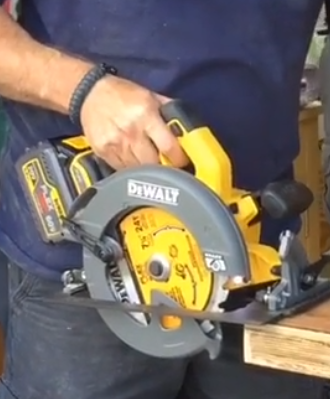
A circular saw doesn’t ask much of you. You hold it, you guide it along a line, and it cuts. There’s no complicated table setup, no fence to align, no learning curve around feeding wood through a spinning blade hidden under a table.
The blade is right there in front of you, so you can see exactly what it’s doing at all times. Most beginner-friendly circular saws weigh somewhere between 6 and 8 pounds, which matters more than people expect.
A lighter saw is easier to keep steady, especially if your arms get tired halfway through a cut. It also means less fatigue if you’re doing multiple cuts in one session. Circular saws handle straight cuts, angled cuts, and even bevel cuts once you adjust the base plate.
That covers shelving, framing, trim work, and most basic furniture builds. You’re not boxed into one type of project the way you would be with something more specialized, such as a miter saw.
Hand Saws: Slower, But Forgiving
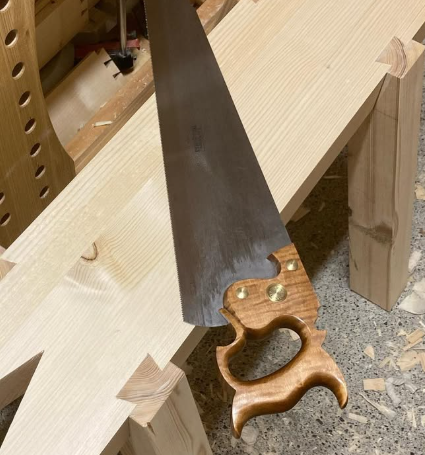
If power tools make you nervous, a hand saw is the safest place to start. There’s no motor, no kickback risk, and no blade spinning at thousands of RPM. You control the speed entirely with your own arm, which means mistakes happen slowly instead of instantly.
The tradeoff is precision and effort. Getting a clean, straight cut with a hand saw takes practice and patience. It’s not the tool you want if you’re cutting a lot of material or need perfectly square edges every time.
But for small projects, thin materials, or just getting a feel for how wood behaves under a blade, it’s hard to beat.
Why Table Saws and Miter Saws Are Trickier Early On
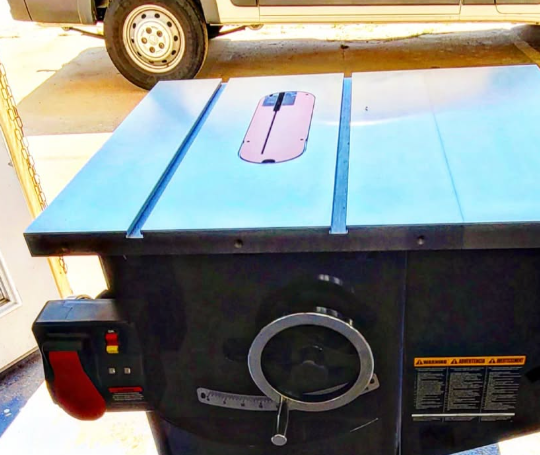
Table saws are powerful and accurate once you know what you’re doing, but that’s exactly the problem for someone new. The blade is partially hidden, you’re feeding wood toward it rather than guiding a tool across it, and kickback is a real risk if the wood isn’t aligned properly or the fence isn’t set right.
A lot of beginners get their first real scare with a table saw, not because the tool is poorly made, but because there’s a real setup and technique to learn before it feels safe. Miter saws are friendlier than table saws but still ask more of you upfront.
You need to understand miter angles, bevel settings, and how to clamp your workpiece correctly before you get clean, safe cuts. They’re great once you’re cutting trim or framing regularly, just not the first tool most people should reach for.
What to Actually Look For
Whichever saw you land on, a few features make a bigger difference for beginners than spec sheets suggest: Weight matters more than power. A saw that’s slightly less powerful but easier to hold steady will give you better results than a heavier one that wears out your arms by the tenth cut.
Blade guards and electric brakes aren’t optional extras; they’re what keep a small mistake from becoming a trip to the ER. An electric brake stops the blade almost instantly after you release the trigger, instead of letting it spin freely for several seconds.
Clear markings help more than people expect. Visible cut lines, bevel scales, and depth markers mean less guesswork and fewer ruined boards while you’re still learning to read measurements on the fly.
Cordless versus corded is mostly personal preference at the beginner stage. Cordless saws are more convenient and easier to move around, but you’ll want to keep an eye on battery life if you’re doing longer projects.
A Simple Way to Decide
If you’re picking up a tool for general DIY work around the house, shelves, basic furniture, and the occasional repair, get a circular saw. It’s the closest thing to an all-rounder that beginners can pick up and actually use confidently within the first hour.
If you’re easing in slowly, want something cheap to practice with, or you’re working with small or thin pieces, a hand saw is a smart starting point. You can always add a circular saw later once you’re comfortable with how wood reacts to cutting.
Either way, don’t rush into a table saw or miter saw as your first tool. They’re worth owning eventually, but they reward experience you won’t have yet, and the risk of a bad first experience is higher than it needs to be.
FAQs
Is a circular saw really safer than a table saw for beginners?
In terms of visibility and control, yes. You can see the blade and the cut line the entire time, and you’re not feeding wood into a fixed blade. Table saws are accurate and powerful, but they carry a higher kickback risk for someone who hasn’t learned proper technique yet.
Can I build furniture with just a circular saw?
You can build a surprising amount with one. Shelving, basic cabinets, simple tables, and most beginner woodworking projects only need straight or angled cuts, which a circular saw handles fine. You’ll eventually want a miter saw or table saw for finer joinery, but it’s not a must-have on day one.
Should I go cordless or corded for my first saw?
Cordless is usually more convenient for beginners since there’s no cord to manage or trip over. Just make sure you have a spare battery or a fast charger if you’re planning longer sessions, since battery life can run out mid-project.
What size circular saw blade should a beginner use?
A 6½-inch blade is the standard size for most beginner saws and handles the vast majority of home projects. It’s lighter than a 7¼-inch blade, which also makes the saw itself easier to control.
Is a jigsaw easier than a circular saw for someone new?
Jigsaws are great for curves and detail work, but aren’t ideal as your only saw. They’re slower for straight cuts, and the blade can wander if you push too fast. Most beginners are better served starting with a circular saw and adding a jigsaw later for detail cuts.

I’m Alex, the voice behind Saw Mentor. With years of real, hands-on experience in the tools industry, I’ve learned one thing: the right tool makes all the difference.
At Saw Mentor, I share straightforward advice, honest reviews, and practical insights to help you make smarter decisions without the guesswork.