

If you’ve ever been mid-cut and felt your saw suddenly bind, stall, or just refuse to go any further, you’re not alone. It’s one of the most common frustrations in both DIY woodworking and professional jobs.
The good news is that it almost always comes down to a handful of mechanical or technique-related reasons, and once you know what to look for, it’s pretty easy to fix.
Let’s go through the real reasons this happens.
1. The Wood Is Closing In Behind the Blade
This is probably the number one cause. As you cut through a board, the two halves can shift and press back against the blade, especially with long boards or when there’s internal tension in the wood (common in pressure-treated lumber or wood that wasn’t dried evenly). The blade gets squeezed from both sides, friction shoots up, and the saw bogs down or stops cutting altogether.
This is why using a riving knife or splitter on a table saw matters so much. It physically holds the kerf open behind the blade so the wood can’t pinch back in.
2. Dull or Damaged Blade
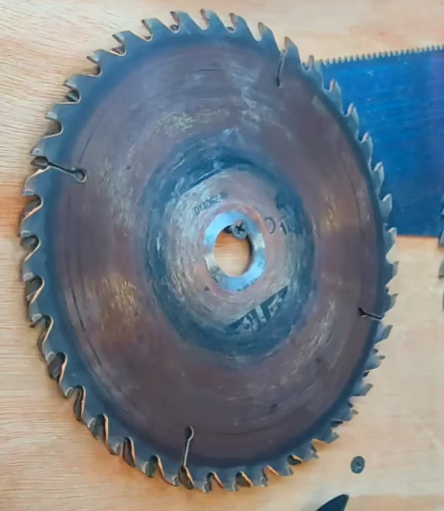
A blade that’s lost its edge doesn’t cut; it tears and grinds. That extra resistance can feel exactly like getting “stuck,” when really the blade just isn’t sharp enough to do its job efficiently anymore. Burn marks on the wood, excessive smoke, or having to push much harder than usual are classic signs that the blade needs sharpening or replacing.
3. Wrong Blade for the Material
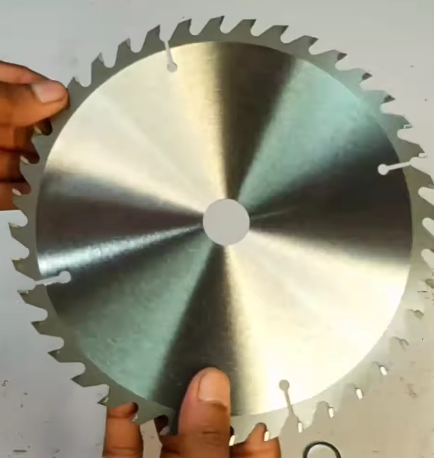
Using a blade with the wrong tooth count or design for what you’re cutting causes binding too. A blade meant for ripping (fewer, larger teeth) behaves very differently from a crosscut blade (more, smaller teeth), and using the wrong one on dense or wet wood, plywood, or metal can cause it to choke partway through.
4. No Outfeed Support
If you’re cutting a long piece and there’s nothing supporting the wood as it comes off the saw, the unsupported end can droop. That slight sag changes the angle of the cut and pinches the blade. This is especially common with circular saws and table saws when people try to cut large sheets solo without a stand or extra hands.
5. Feeding Too Fast or Too Slow
Pushing the wood through too quickly can overload the motor and blade, causing it to stall, especially on saws with smaller motors. On the flip side, feeding too slowly on certain blades (especially on softer, gummy woods like pine) can cause resin buildup that increases friction and drag.
6. Warped or Internally Stressed Wood
Some boards have stress built into the grain from how the tree grew or how the lumber was dried. The moment you cut through it, that internal stress releases and the wood can twist or clamp down on the blade. There’s no real way to detect this just by looking, but it’s a common reason a perfectly sharp blade still gets stuck.
7. Motor or Power Issues
Sometimes it’s not the wood or blade at all; it’s the saw. A motor running on a long extension cord, a worn-out brush, low battery voltage on a cordless tool, or just an underpowered saw for the material can all cause the blade to slow down and stall partway through a cut.
How to Avoid It Going Forward
A few habits go a long way: keep blades sharp, match the blade to the material, use a riving knife or splitter when ripping, support long material properly on both ends, and feed the wood at a steady, even pace rather than rushing it.
If a board feels like it’s pinching as you go, stop and check rather than forcing it through; that’s usually your saw telling you something before it actually jams.
FAQs
Is it dangerous when a saw blade gets stuck mid-cut?
Yes, it can be. A stuck blade can cause kickback, especially on table saws and circular saws, where the wood gets thrown back toward the user. Always release pressure carefully and turn off the saw before trying to free it.
Can a brand-new blade still get stuck?
Absolutely. A new blade can bind if it’s the wrong type for the material, if the wood pinches due to internal stress, or if there’s no riving knife/splitter to keep the kerf open. Sharpness isn’t the only factor.
Why does my circular saw stall but my table saw doesn’t (or vice versa)?
Different saws are more sensitive to different issues. Circular saws are more prone to stalling from a lack of outfeed support and feeding too fast, while table saws are more commonly affected by wood pinching closed without a riving knife.
Does wood moisture affect this?
Yes, wet or “green” wood is more likely to pinch and bind because it’s more flexible and prone to internal movement during the cut. Dry, properly seasoned wood generally cuts more predictably.
Should I force the saw through if it gets stuck?
No. Forcing it can damage the blade, motor, or workpiece and increase the risk of kickback. It’s safer to stop, turn off the saw, and figure out why it’s binding before continuing.

I’m Alex, the voice behind Saw Mentor. With years of real, hands-on experience in the tools industry, I’ve learned one thing: the right tool makes all the difference.
At Saw Mentor, I share straightforward advice, honest reviews, and practical insights to help you make smarter decisions without the guesswork.