

If you have ever tried cutting a sheet of acrylic or PVC with whatever saw was lying around the garage, you already know the problem. The blade gets hot, the plastic starts to smear, and instead of a clean edge, you end up with a gummy, melted line that looks like it was cut with a hot knife rather than a saw.
The good news is that, yes, you absolutely can cut plastic with a saw without melting it. It just takes the right blade, the right speed, and a bit of patience that most people skip on their first try.
Plastic melts during cutting for one simple reason: friction builds up heat faster than the material can dissipate it. Wood and metal handles that heat differently, but plastic, especially thermoplastics like acrylic, PVC, and polycarbonate, will soften and reflow behind the blade almost instantly if things get too hot.
Once that happens, you are not cutting anymore; you are basically melting a groove and dragging the blade through it. So the whole game is heat management, not brute force.
Why Plastic Melts When You Cut It
Every type of saw blade is designed with a certain material in mind. A standard wood blade has big, widely spaced teeth that are great at ripping through fibers but terrible for plastic. Those wide gullets and aggressive teeth generate a lot of friction and tend to grab the plastic rather than slice it cleanly.
The result is heat, and heat is the enemy here. Add in a blade spinning too fast, and you have got a recipe for melted edges every single time.
There is also the question of feed rate, meaning how fast you push the material into the blade. Push too slowly, and the blade just sits there rubbing against the same spot, building up heat with nowhere to go. Push too fast, and you risk chipping or cracking brittle plastics like acrylic. Finding that middle ground is honestly more important than which saw you own.
The Right Blade Makes Almost All the Difference
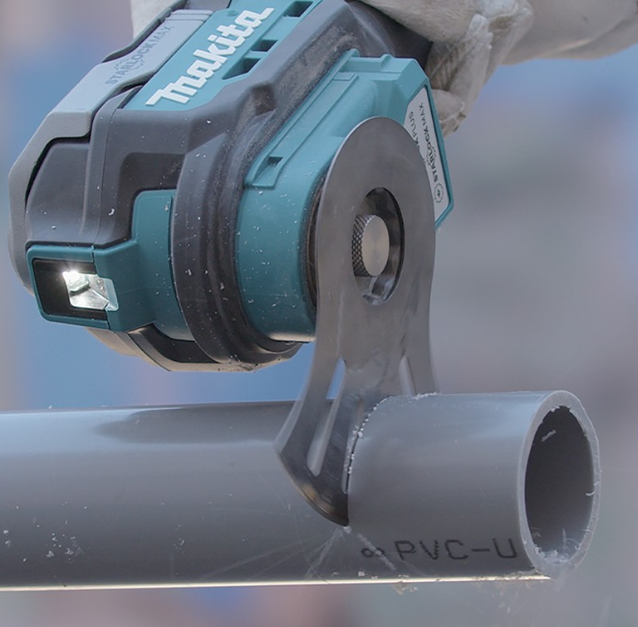
This is the part most people get wrong. A fine-tooth blade designed specifically for plastics or non-ferrous metals will change everything. Look for blades with a high tooth count, usually somewhere between 80 and 100 teeth on a standard circular saw blade, or even higher on a table saw blade meant for acrylic.
The teeth should have little to no set, which just means they are ground flat rather than alternating side to side, since that reduces the friction that causes melting.
For thinner plastic sheets, a fine-tooth jigsaw blade made for plastic works surprisingly well, especially on curved cuts. For thicker acrylic or polycarbonate panels, a table saw or circular saw with a proper triple-chip grind blade is the way to go. These blades alternate a flat-top tooth with a beveled one, which helps clear the chips out instead of letting them melt and re-bond to the cut.
Slow Down the Blade Speed
Most power saws are built with wood and metal in mind, which means they often run faster than plastic can handle. If your saw has a variable speed setting, drop it down. Slower blade speed means less friction, which means less heat, which means less melting.
This single adjustment alone fixes the problem for a lot of people who assumed their saw just was not capable of cutting plastic cleanly.
If your saw does not have variable speed, you can compensate by controlling your feed rate more carefully and letting the blade do the work rather than forcing the material through. Some people also pause briefly every few inches to let the blade cool slightly, particularly on longer cuts through thicker material.
Support the Plastic Properly
Vibration is another sneaky cause of melted or cracked edges. If the plastic sheet is not fully supported underneath, it will flex and chatter against the blade, generating extra heat and increasing the odds of a rough or melted cut.
Lay the sheet flat on a solid surface, clamp it down securely, and avoid letting any part of it hang off the edge of your work table unsupported. A sacrificial backing board underneath the plastic also helps reduce chipping on the underside of the cut.
Cooling and Lubrication Tricks That Actually Work
A lot of professional plastic fabricators use a light mist of water or a specialized cutting lubricant right at the blade during the cut. This keeps the temperature down and helps clear debris away instead of letting it build up and re-melt onto the surface.
You do not need anything fancy here; even a spray bottle with water aimed at the cutting line can make a noticeable difference on thicker acrylic or polycarbonate sheets.
Some people also apply painter’s tape directly along the cut line before sawing. It does two things at once: it protects the surface from scratches, and it slightly reduces the friction right where the blade makes contact, which helps keep heat down on shorter, smaller cuts.
Take Breaks on Thicker Material
Thicker plastic sheets, anything past half an inch or so, hold onto heat much longer than thin material. If you try to push straight through a thick panel in one continuous motion, the blade will heat up well before you reach the other end, and that heat has nowhere to go but into the plastic around it. Pulling the blade back every few inches, letting it spin freely for a second or two, and then continuing the cut gives the heat a chance to dissipate before it causes any damage.
Different Plastics Behave Differently
Not all plastics react to heat the same way, so it helps to know what you are working with. Acrylic is brittle and prone to cracking or chipping if forced, but it does not melt quite as easily as some softer plastics.
PVC is more forgiving on cracking but melts and gums up blades quickly if the speed is too high. Polycarbonate is tough and impact resistant, which actually makes it a bit easier to cut cleanly since it tolerates more friction before showing damage, though it can still melt with a dull or wrong blade.
Knowing your material ahead of time helps you set expectations and adjust your blade choice and speed accordingly.
Putting It All Together
Cutting plastic without melting it really comes down to controlling heat from start to finish. Choose a fine-tooth blade made for plastic or non-ferrous materials, slow the blade speed down if you can, support the sheet so it does not vibrate, keep your feed rate steady rather than rushed, and use a bit of water or lubricant on thicker cuts if needed.
None of this requires expensive equipment. It mostly just requires slowing down and respecting how plastic actually behaves under a spinning blade, instead of treating it like a piece of wood.
Once you get the combination right for your particular saw and your particular plastic, the difference is night and day. Edges come out smooth, straight, and ready to use without sanding away melted globs or chipped corners. It just takes one or two test cuts on a scrap piece to dial it in.
Frequently Asked Questions
What is the best saw blade for cutting plastic without melting it?
A fine-tooth blade with a high tooth count, generally 80 teeth or more, and little to no tooth set works best. Triple-chip grind blades are especially good for acrylic and polycarbonate since they clear chips efficiently instead of letting them melt back onto the cut.
Can I use a regular wood-cutting blade on plastic?
You can, but it is not ideal. Wood blades have wider, more aggressive teeth that generate extra friction and heat, which usually leads to melted or gummy edges on plastic. A blade made for plastics or non-ferrous metals will give you far cleaner results.
Does slowing down the saw speed really prevent melting?
Yes, blade speed has a big impact. Slower speeds reduce the friction between the blade and the plastic, which keeps heat from building up in the first place. If your saw allows variable speed control, dialing it down is one of the easiest fixes for melting issues.
Is water or lubricant necessary for cutting plastic?
It is not always necessary for thin sheets, but it helps a lot on thicker acrylic or polycarbonate. A light mist of water near the blade keeps the cutting area cool and washes away debris that would otherwise melt and re-stick to the cut edge.
Why does my plastic crack instead of melting when I cut it?
Cracking usually happens with brittle plastics like acrylic when the feed rate is too fast or the material is not properly supported. The fix is to slow your push, clamp the sheet down firmly, and make sure there is solid backing underneath the full length of the cut.

I’m Alex, the voice behind Saw Mentor. With years of real, hands-on experience in the tools industry, I’ve learned one thing: the right tool makes all the difference.
At Saw Mentor, I share straightforward advice, honest reviews, and practical insights to help you make smarter decisions without the guesswork.