

Anyone who has worked with wood long enough knows the frustration of a clean cut going sideways, literally. You line everything up, make your pass, and then flip the board over to find a jagged, torn-up edge that looks nothing like what you planned.
Splintering happens to beginners and experienced woodworkers alike, but the good news is it’s almost always preventable once you understand what causes it.
Why Wood Splinters in the First Place
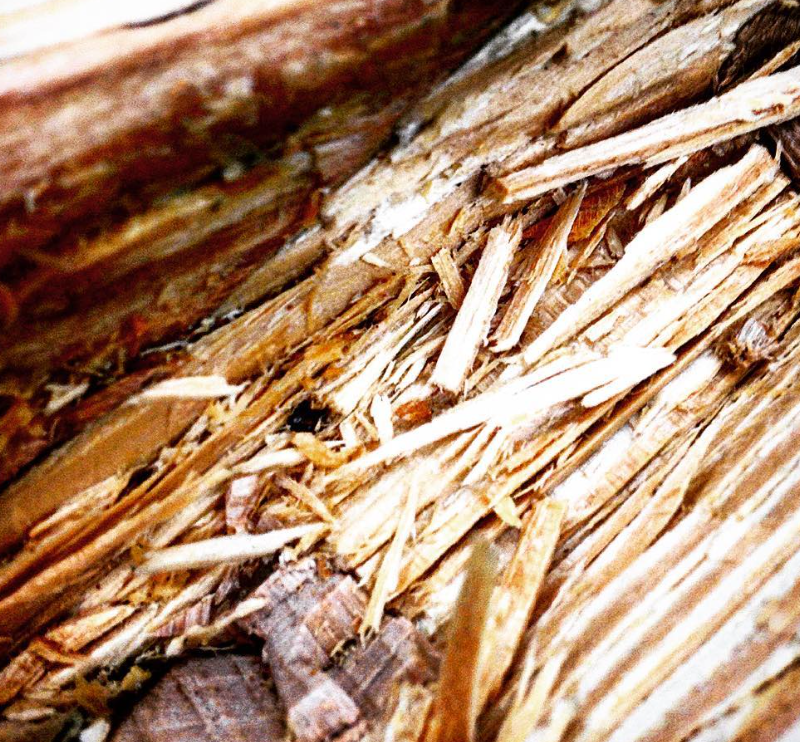
Wood fibers are long and interlocked. When a blade cuts through them cleanly, it severs those fibers smoothly. When it doesn’t cut because the blade is dull, moving too fast, or hitting the wood at the wrong angle, those fibers tear instead of cut.
The result is splintering, also called tearout, and it tends to be worse on the exit side of a cut because the blade has nothing supporting the wood beneath it as it pushes through.
Plywood is especially prone to this because of the thin veneer layers on its surface. Hardwoods like oak can be tricky too, depending on grain direction. Once you understand that splintering is basically a support and sharpness problem, the fixes start to make a lot of sense.
Use a Sharp Blade and the Right One
This is where most splintering problems begin. A dull blade doesn’t cut; it tears. If your blade hasn’t been changed in a while, that alone could be responsible for most of your tearout issues.
Beyond sharpness, blade tooth count matters a lot. Higher tooth count means finer, smoother cuts. For clean crosscuts on plywood or hardwood, a 60-80 tooth blade is a solid choice.
Ripping along the grain can be done with fewer teeth, but for finish cuts where appearance matters, go finer. Blades labeled “finishing” or “fine crosscut” are designed specifically to minimize tearout.
Score the Cut Line First
One of the oldest tricks in woodworking is scoring a line before making your full cut. Use a utility knife or marking knife and run it along your cut line with firm pressure.
What you’re doing is pre-severing those surface wood fibers so the saw blade doesn’t tear them; it just follows through a path that’s already been started.
This works especially well on plywood veneer and solid hardwood. It takes an extra thirty seconds but makes a noticeable difference in visible cuts.
Tape Over the Cut Line
Painter’s tape or masking tape placed directly over your cut line acts as a backer that holds the wood fibers together as the blade passes through. It’s a simple trick, but it genuinely works, particularly with circular saws and jigsaws, where controlling tearout is harder.
Apply the tape smoothly, mark your line on top of it, make the cut, then peel it off. The tearout that would have happened often stays stuck to the tape instead of the wood.
Cut With the Good Face Down (or Up, Depending on Your Tool)
With a circular saw, the blade spins upward on the exit stroke, which means tearout happens on the top face. So if you’re cutting plywood with a circular saw, place the good face down.
With a table saw, it’s the opposite; the blade exits through the top, so the good face goes up.
Knowing which way your blade spins and where the exit point is will tell you which face to protect. This alone eliminates a lot of frustration.
Use a Zero-Clearance Insert on Your Table Saw
The opening around the blade on a standard table saw insert is wider than it needs to be, and that gap gives wood fibers room to flex and tear as they pass through. A zero-clearance insert closes that gap, giving the wood solid support right up to the blade edge.
You can buy aftermarket versions or make one yourself from a piece of MDF or hardboard. It’s one of those upgrades that seems minor until you use one and wonder how you managed without it.
Control Your Feed Rate
Feeding wood too quickly through a saw gives the blade less time to make a clean cut you end up forcing it through rather than letting it do the work. Slow down on finish cuts, especially near the end of a board where there’s less material left to support the cut.
At the same time, don’t go so slow that the blade starts to burn the wood. A steady, controlled feed rate, not rushed, not dragging, is what you’re aiming for.
Support the Wood Properly
Unsupported wood vibrates and flexes as it’s being cut, and that movement translates directly into tearout. Make sure your workpiece is fully supported on both sides of the cut, especially when working with longer boards or large plywood sheets.
Use sawhorses, outfeed supports, or even a sheet of rigid foam insulation on the floor under large panels. The more stable the material, the cleaner the cut.
Sand or Plane in the Right Direction
After cutting, always sand or plane with the grain, not against it. Going against the grain tears up the surface the same way a bad blade does. Start with a medium grit to clean up any minor tearout, then finish with a finer grit for a smooth surface.
A hand plane used correctly can clean up a splintered edge faster than sandpaper in many situations. It takes a little practice to use well, but it’s worth learning if you do any amount of finish woodworking.
Frequently Asked Questions
Why does my jigsaw always leave a splintered edge?
Jigsaws cut on the upstroke, which means tearout happens on the top face. To get a cleaner cut, place the good face down, use a fine-tooth blade designed for clean cuts, and consider applying painter’s tape over the cut line before you start.
Does blade speed affect splintering?
Yes, but not always in the way people expect. Higher RPM doesn’t automatically mean cleaner cuts; it depends on the material and the blade. More important than speed is blade sharpness and tooth count. That said, slowing your feed rate (how fast you push the wood through) almost always helps with finish cuts.
Can I fix splintering after the cut has already been made?
Minor tearout can often be cleaned up with a sharp chisel, a card scraper, or sandpaper. For more significant splintering, a hand plane can remove a thin shaving and reveal a clean surface underneath. If the splintering is deep and structural, you may need to trim slightly more off the board and recut to get a clean edge.
Is some wood more prone to splintering than others?
Definitely. Plywood with thin veneer is notorious for tearout, especially cheaper sheets. Hardwoods with interlocked or irregular grain (like elm or figured maple) can tear unpredictably.
Softwoods like pine are easier to cut cleanly but still splinter with a dull blade. Knowing your material helps you adjust your approach before the blade even touches the wood.
Does the direction I cut in relation to the grain matter?
It makes a significant difference. Cutting with the grain (ripping) is generally cleaner than cutting across it (crosscutting), though a sharp blade handles both well. The trickiest cuts are those that go diagonally through the grain. In those cases, scoring the line first and using a high tooth-count blade gives you the best chance at a clean result.

I’m Alex, the voice behind Saw Mentor. With years of real, hands-on experience in the tools industry, I’ve learned one thing: the right tool makes all the difference.
At Saw Mentor, I share straightforward advice, honest reviews, and practical insights to help you make smarter decisions without the guesswork.