

If you’ve ever tried to cut through a damp log or freshly fallen branch, you already know the frustration. The blade glides in fine for the first few strokes, then suddenly it feels like the wood has grabbed hold of your saw and won’t let go.
You push, you wiggle it, you pull back, and nothing happens except your arm getting tired. This is one of the most common complaints among people working with hand saws outdoors, especially after rain or with green, unseasoned timber.
The good news is that it’s not a sign your saw is broken or that you’re doing something fundamentally wrong. It’s mostly basic physics and wood biology working against you.
The Real Reason Behind the Sticking
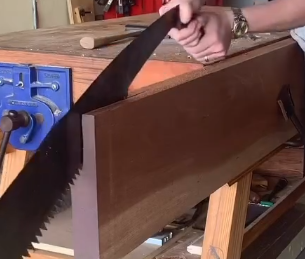
Wet wood behaves very differently from dry wood. When timber is full of moisture, the fibers are swollen and soft, which sounds like it should make cutting easier, but it actually does the opposite in most cases.
As your blade moves through the wood, the kerf (the slot the saw cuts) tends to close back up behind the blade because the swollen fibers spring back into place. Dry wood doesn’t do this nearly as much because the fibers are stiffer and stay put once cut.
So with wet wood, you’re not just cutting through material, you’re fighting the wood’s tendency to clamp the blade from both sides.
There’s also the sap and moisture itself. As you saw, the wet sawdust mixes with water and sap to create a sticky paste that coats the blade and teeth. This paste builds up in the gullets (the gaps between the teeth) and reduces the saw’s ability to clear waste material.
Once the gullets clog, the blade has nowhere to push the sawdust, so friction increases dramatically, and the saw binds.
Blade Type Matters More Than You Think
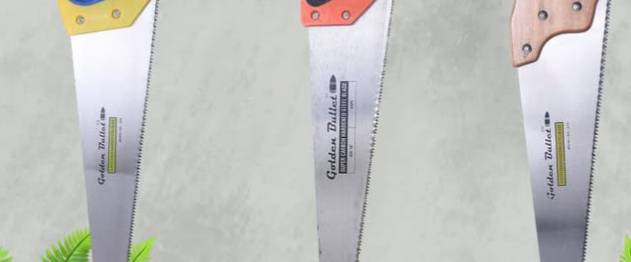
Not all hand saws are built the same, and this becomes obvious the moment you try to cut wet wood. Saws designed for dry, seasoned lumber often have finer teeth and tighter spacing, which works great for clean cuts in furniture-grade wood but is a disaster in wet conditions because there’s no room for the wet sawdust to escape.
A saw meant for green wood, like many bow saws or pruning saws, has wider tooth spacing and deeper gullets, specifically so the wet debris can clear out as you cut.
If you’re using a fine-tooth carpentry saw on a wet log from the backyard, that mismatch alone could explain most of your trouble.
Pressure and Technique Play a Role Too
A lot of people instinctively push harder when a saw starts to bind, thinking more force will push through the resistance. With wet wood, this almost always backfires. Extra downward pressure increases the contact area between the blade and the swollen fibers, which means more friction, not less.
The better approach is long, even strokes with light to moderate pressure, letting the teeth do the work rather than muscling the blade through.
Angle matters as well. Cutting at too shallow or too steep an angle changes how the teeth engage the wood, and in wet conditions, this can make the blade twist slightly inside the kerf, which increases binding.
What You Can Actually Do About It
Keeping the blade lubricated helps a surprising amount. A light coat of paraffin wax, beeswax, or even a bit of cooking oil on the blade reduces friction and stops sap from sticking as aggressively.
Some people swap to a saw with wider-set teeth specifically for wet or green wood, since the wider set creates a slightly bigger kerf that resists closing up behind the blade. Wiping the blade clean every few strokes also prevents buildup before it becomes a real problem.
If the wood is extremely wet or freshly cut, letting it dry for even a day or two before cutting can make a noticeable difference. Moisture content drops fast in the first 24 to 48 hours after a tree is felled or a branch is cut, and that early drying period often takes just enough swelling out of the fibers to make sawing much easier.
Frequently Asked Questions
Is it normal for a hand saw to get stuck in wet wood?
Yes, this is extremely common and not a sign of a defective saw. Wet wood fibers swell and close back around the blade, while wet sawdust clogs the teeth, both of which cause binding during normal use.
Will oiling the blade actually help?
Yes, a thin layer of oil, wax, or even dish soap on the blade reduces friction significantly and helps prevent sap and wet sawdust from sticking to the metal, making each stroke smoother.
Should I use a different saw for wet wood?
Ideally yes. Saws with wider tooth spacing and deeper gullets, like bow saws or saws marketed for green or freshly cut wood, clear debris far better than fine-tooth saws built for dry lumber.
Does pushing harder help free a stuck blade?
No, pushing harder usually makes it worse because it increases friction between the blade and the swollen wood fibers. Lighter, longer strokes work better than forcing the blade through.
How long should I let wet wood dry before cutting it?
Even one to two days of drying time can noticeably reduce moisture content near the surface, making the wood easier to cut. For fully seasoned wood, several weeks to months of drying is typically needed, depending on the species and conditions.