

If you have ever wanted to build a beautiful linen cabinet with a glass door, you already know the appeal. A cabinet like this gives your towels, sheets, and extra blankets a proper home while still looking like a real piece of furniture instead of a plain storage box shoved in a hallway.
The glass front is what makes the whole thing feel special. It lets you glance in and grab what you need without opening a door, and it turns folded linens into something worth showing off rather than hiding away.
This project is not as intimidating as it sounds. With a weekend, some basic tools, and a bit of patience, you can end up with a cabinet that looks like it came from a boutique furniture shop.
Planning Before You Cut Anything
Before you touch a saw, figure out where this cabinet is going to live. Measure the space carefully, including the height of the ceiling and any trim or baseboards that might get in the way.
Decide how many shelves you want inside, since linens stack differently than plates or books. Most people find that adjustable shelves work best because you can shift them around as your stack of towels grows or shrinks.
Sketch out a rough design on paper, even if your drawing skills are nothing special. It helps to know the overall width, depth, and height before you buy a single board, and it saves you from realizing halfway through that your cabinet will not fit through the doorway.
Choosing Your Materials
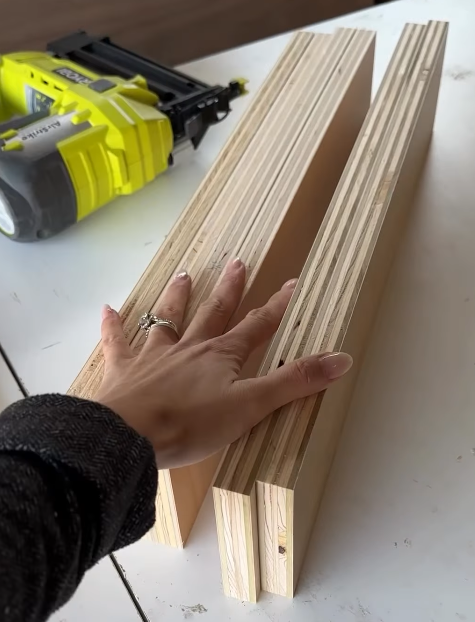
Solid wood gives the richest look, and poplar or pine are both forgiving choices for a first build since they are easy to cut and sand. Plywood works well for the back panel and sides if you want to save money without sacrificing strength.
For the glass door, you will need tempered glass cut to size, which most hardware stores or glass shops can do for you if you bring in exact measurements. Do not skip tempered glass. It is safer if it ever breaks, and it holds up better over time.
You will also want wood glue, screws, hinges suited for a glass panel door, a handle or knob, and whatever finish you plan to use, whether that is stain, paint, or a clear coat.
Building the Frame and Body
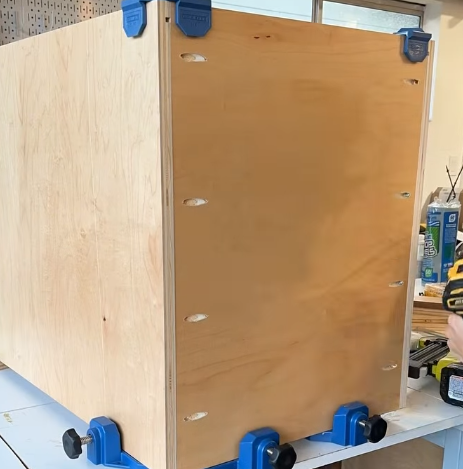
Start with the sides, top, and bottom of the cabinet, cutting them to your planned dimensions. Dado joints, which are grooves cut into the wood, give a stronger connection for the shelves than simply screwing them in from the outside, though pocket screws are a solid shortcut if you are short on time or tools.
Assemble the box first without the back panel, checking that everything is square using a framing square or by measuring corner to corner diagonally. If those two diagonal measurements match, your box is square. Attach the back panel next, since this is what keeps the whole cabinet from racking or twisting later on.
Adding Shelves and Interior Details
Once the main body is solid, install your shelf supports. Shelf pins in pre-drilled holes are a simple and reliable option that lets you rearrange shelves whenever you like. Space the holes evenly on both interior walls so the shelves sit level.
If you want a touch that feels a little more refined, consider adding a thin strip of trim along the front edge of each shelf. It hides the raw plywood edge and gives the inside of the cabinet a finished look even when the door is open.
Building and Fitting the Glass Door
This is the part that makes the project feel like a real accomplishment. Build a simple frame from wood, sized to hold your glass panel with a small groove or rabbet cut along the inside edge.
The glass sits in this groove and gets held in place with thin retaining strips, sometimes called glazier points or small wood molding pieces, glued or tacked in gently so the glass never touches wood directly under pressure.
Take your time here, since cracked glass is the most common mistake at this stage. Once the frame is built, attach hinges to the cabinet body and hang the door, checking that it swings freely and closes flush against the frame.
Finishing Touches
Sand everything down to a smooth surface before you apply any stain or paint, working through a few grits so the wood feels silky rather than rough. A coat of wood conditioner helps stain go on evenly if you are working with a softer wood like pine.
Once your finish has dried and cured, add your chosen hardware, whether that is a simple knob, a small pull, or even a magnetic catch to keep the door snug when closed. Step back and take a look at what you built. A well finished linen cabinet with a glass door tends to become the piece people comment on first when they walk into the room.
Caring for Your Finished Cabinet
Wipe the glass with a standard glass cleaner and a soft cloth to keep it streak free. Dust the wood regularly and avoid placing the cabinet in direct sunlight for long stretches, since that can fade both the finish and the wood underneath.
If the hinges ever start to squeak, a small drop of oil solves the problem in seconds. Treat it well, and this cabinet should easily last decades, aging in a way that only makes it look better.
Frequently Asked Questions
Do I need special tools to build a cabinet like this?
Not really. A circular saw or table saw, a drill, a square, clamps, and sandpaper will get you through the whole build. A router is helpful for cutting the groove that holds the glass, but you can also have a local glass or hardware shop cut a rabbet for you if you do not own one.
What kind of glass should I use for the door?
Tempered glass is the safest and most common choice. It is stronger than regular glass, and if it ever does break, it crumbles into small blunt pieces rather than sharp shards. Most glass suppliers can cut it to your exact measurements once your door frame is built.
How much does it cost to build one of these?
Costs vary a lot depending on the wood you choose and the size of the cabinet, but a mid sized project usually falls somewhere between one hundred and fifty and four hundred dollars including glass, hardware, and finish. Solid hardwood will push that number higher, while pine or poplar keeps it more affordable.
Can I build this without power tools?
It is possible but slower. A hand saw, a coping saw, and a manual drill can get the job done if you are patient, though a basic power drill will save you a lot of time and effort, especially when it comes to driving screws and drilling shelf pin holes.
What is the easiest way to keep the door from swinging open on its own?
A magnetic cabinet catch is the simplest fix. They are inexpensive, easy to install, and hold the door shut firmly without needing a lock or latch. Ball catches are another good option if you prefer something a little more traditional.
Thanks for taking the time to read this guide! We hope it helped answer your questions. If there is anything you would like to add or ask, feel free to leave a comment below. You can also explore more helpful articles on our website.

I’m Alex, the voice behind Saw Mentor. With years of real, hands-on experience in the tools industry, I’ve learned one thing: the right tool makes all the difference.
At Saw Mentor, I share straightforward advice, honest reviews, and practical insights to help you make smarter decisions without the guesswork.
1 thought on “How to Build a Beautiful Linen Cabinet with a Glass Door”