

If you’ve ever reached into a cluttered garage shelf and felt the sting of a saw blade you forgot was there, you already know why learning how to store saws safely in a garage matters more than most people think.
It’s one of those jobs that feels optional until the day it isn’t: a nicked finger, a rusted blade, or a kid poking around where they shouldn’t be. The good news is that keeping your saws organized and out of harm’s way doesn’t take a weekend project or a fancy setup. It just takes a bit of thought about where things go and why.
Why Garages Are Hard on Saws
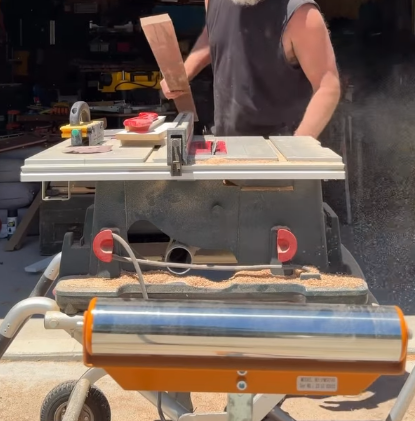
Start with the basics: every saw, whether it’s a hand saw, circular saw, jigsaw, or miter saw, needs a spot that’s dry, out of direct reach of kids or pets, and ideally off the floor. Garages are notorious for humidity swings, especially if yours isn’t insulated, and that moisture is enemy number one for exposed steel blades. A saw left leaning against a damp wall or tossed in a box on concrete will rust faster than you’d expect, sometimes within a season.
Hand Saws and Wall Storage
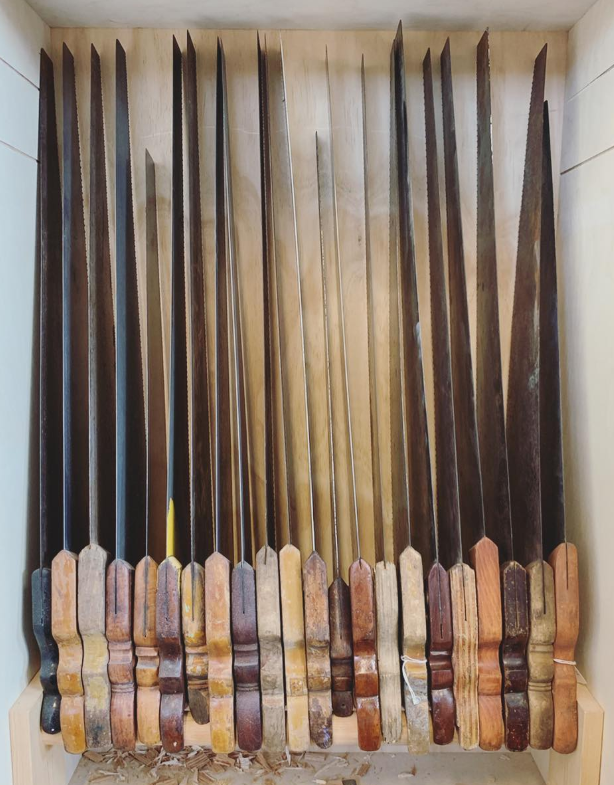
For hand saws, a wall-mounted rack or a simple pegboard with hooks works wonders. Not only does it keep the blade away from anything that could dull or bend it, but it also means you can actually see what you have.
Half the time, people buy a duplicate tool simply because the one they own is buried somewhere in a drawer. Hanging saws blade-down or with a blade guard on also cuts down on accidental contact when you’re reaching past them for something else.
Power Saws Need Their Own Rules
Power saws are a different story since they come with cords, batteries, and sometimes detachable blades. Circular saws and jigsaws do well in a dedicated cabinet or a sturdy shelf with edge guards, away from anywhere moisture might pool, like near a garage door or a floor drain.
If your garage sees temperature swings from hot summers to freezing winters, keep battery-powered saws off extreme cold shelving; batteries degrade faster in both cold and heat, so a middle shelf away from exterior walls is usually your best bet.
Miter Saws and Table Saws
Miter saws and table saws, being bigger and heavier, are usually left on a stand or workbench rather than stored away entirely. Even so, a blade guard or cover should always be on when not in use, and the saw itself should be unplugged. It sounds obvious, but a surprising number of garage accidents happen because someone bumped a switch on a saw they assumed was off.
Keeping Blades Organized
One thing people overlook is labeling and separating blades by type. If you swap blades often, a small labeled box or magnetic strip keeps things from turning into a junk drawer of sharp metal. It also protects the blades themselves, since loose blades knocking against each other in a drawer dull faster and can chip.
Thinking About Who Else Uses the Garage
Lastly, think about who else has access to your garage. If there are kids, teenagers, or guests around, a locking cabinet or at least a high shelf out of casual reach is worth the extra effort. It’s not about hiding your tools forever, just making sure the people who shouldn’t be handling them can’t grab one without you knowing.
The Bottom Line
Storing saws safely isn’t really about being obsessive or overly cautious. It’s just common sense applied consistently: keep them dry, keep them visible, keep them out of casual reach, and keep the guards on. Do that, and your tools will last longer, your garage will look less like a hazard zone, and you’ll spend less time hunting for the right blade when a project comes up.
FAQs
Do I need a special cabinet to store power saws, or is a shelf fine?
A sturdy shelf works fine as long as it’s stable, dry, and the saw has some kind of blade cover or guard. Cabinets are nice for keeping dust and moisture out, but they’re not strictly necessary if your garage stays reasonably dry year-round.
How do I stop my saw blades from rusting in the garage?
Moisture is the main culprit, so keep blades off concrete floors, away from exterior walls, and ideally wrapped in a light coat of oil or rust inhibitor if you live somewhere humid. A silica gel packet in a storage box can also help absorb excess moisture.
Is it safe to hang a circular saw on a pegboard?
It can be, as long as the hooks are rated for the weight and the blade is covered or retracted. Just make sure the saw is unplugged and the cord is secured so it’s not dangling where someone could trip on it.
Where’s the safest place to store saws if I have kids in the house?
A locked cabinet or a high shelf well out of reach is your best option. Even with a lock, it’s smart to unplug power saws and keep blade guards on as a second layer of protection.
How often should I check on stored saws to make sure they’re still in good shape?
Every couple of months is a reasonable habit, especially before and after seasons with big humidity or temperature changes. A quick check for rust, loose guards, or battery corrosion can save you from a bigger repair or replacement down the line.