

If you’ve ever tried cutting through plywood with a dull, chipped, or just plain wrong blade, you already know why learning how to replace a circular saw blade is one of those skills every DIYer and woodworker eventually picks up.
It sounds intimidating the first time, especially with the spindle lock and arbor bolt involved, but once you’ve done it once, you’ll realize it’s a five-minute job that doesn’t require any special tools beyond what usually comes in the box with the saw.
Why You’d Need to Swap a Blade in the First Place
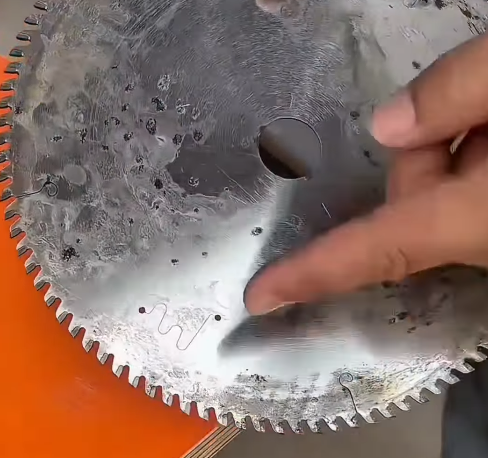
Blades wear out. Teeth get dull, they chip on nails hidden in old lumber, or the blade just isn’t right for the material you’re cutting that day.
Maybe you’ve been ripping through framing lumber all week, and now you need to make clean cuts in plywood for a cabinet.
Using a general-purpose blade for a fine finish cut is a recipe for splintered edges, and using a worn blade for anything is a recipe for burning the wood, kicking back, or just making the saw work way harder than it should.
Swapping blades based on the task is honestly one of the easiest ways to get better results without spending money on a new saw.
Safety First, Because This Part Actually Matters
Before you touch anything, unplug the saw or pull the battery. This isn’t optional. Circular saw blades are sharp enough to do real damage even when the saw is off, and if it’s plugged in and something bumps the trigger, you’re in trouble.
Set the saw on a stable, flat surface, and if you have work gloves handy, put them on. The teeth on even a “dull” blade will happily cut through skin.
Step-by-Step: Removing the Old Blade
Start by retracting the blade guard. Most saws have a small lever near the front of the guard that lets you pull it back and lock the blade in a position where you can access the bolt in the center. Some saws expose the bolt without needing to do this, but it’s worth checking either way.
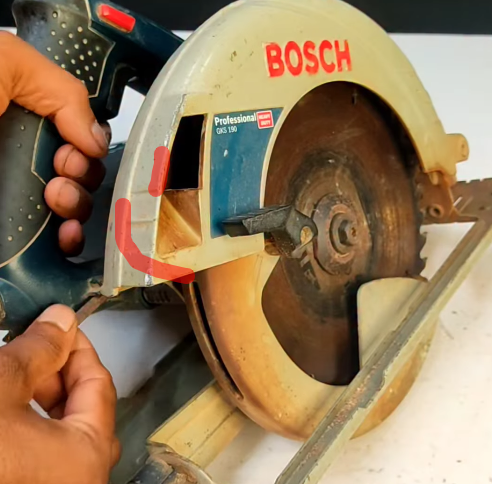
Next, find the spindle lock button, usually located near the top of the saw body. Press and hold it. This stops the blade from spinning while you loosen the bolt. With the lock engaged, use the wrench that came with your saw (or a socket wrench if you’ve misplaced it, which happens to everyone eventually) to turn the arbor bolt.
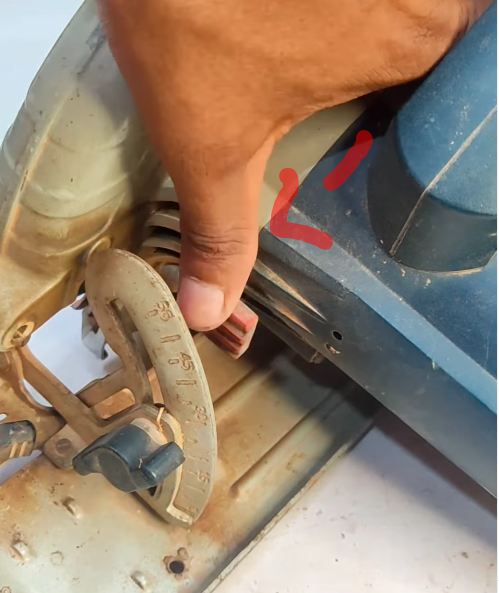
Pay attention to the rotation direction here: most blades tighten clockwise when viewed from the outer washer side, which means you’ll be turning the bolt counterclockwise to loosen it. Some saw models, particularly certain worm-drive saws, actually reverse this, so if it’s not budging in one direction, don’t force it; just try the other way.
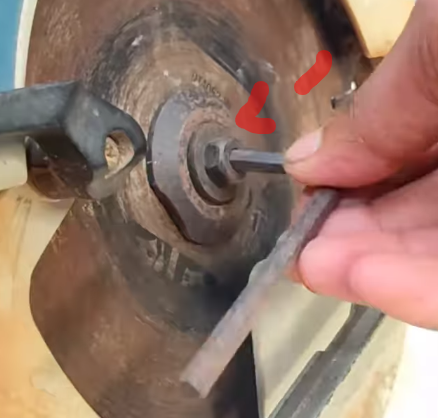
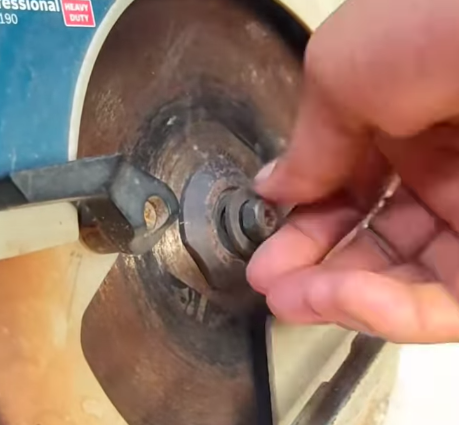
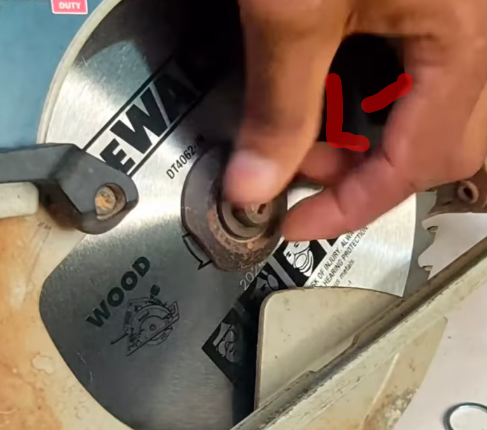
Once the bolt is out, remove the outer washer and set both pieces somewhere you won’t lose them. Then carefully slide the old blade off the arbor. It should come off smoothly. If it’s stuck or feels gritty, that’s usually just built-up sawdust and resin, and it’s a good excuse to clean the inner washer and arbor area before putting the new blade on.
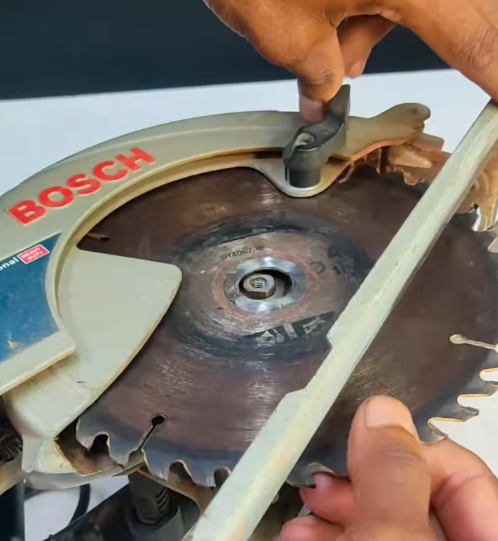
Installing the New Blade
Check the new blade for an arrow printed on the body; this tells you which direction the teeth should face. Line it up so the arrow matches the rotation direction of the saw, which is usually also marked on the blade guard itself.
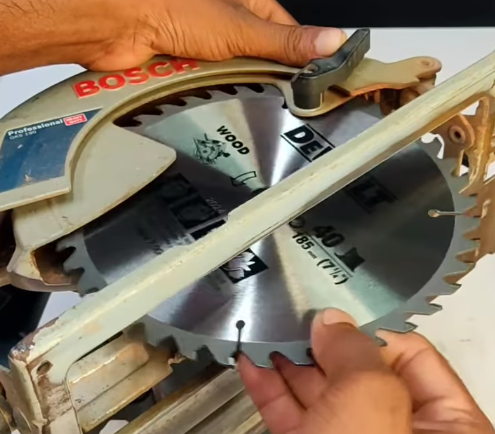
Slide the blade onto the arbor, making sure it sits flush against the inner washer with no gap. Put the outer washer back on, then thread the arbor bolt back in by hand first so you don’t cross-thread it. Once it’s snug, press the spindle lock again and tighten the bolt with the wrench.
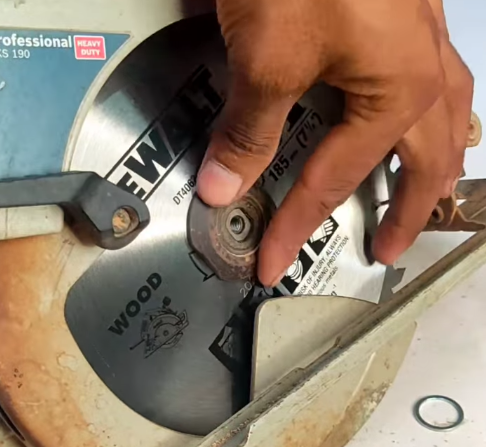
You want it firm, but you don’t need to put your whole body weight into it. Overtightening can actually make it harder to remove next time and, in rare cases, can damage the arbor.
Let the blade guard snap back into its normal position, give the blade a spin by hand to make sure nothing’s rubbing or catching, and you’re done. Plug the saw back in (or reinsert the battery) and, if you can, make a test cut on a scrap piece of wood before moving on to your actual project.
A Few Things Worth Remembering
Always match the blade size to what your saw is rated for. A 7-1/4 inch saw needs a 7-1/4 inch blade, and forcing a different size on there isn’t safe. Also pay attention to the arbor hole size, since some blades come with different bore diameters and use a reducing ring to fit smaller arbors.
If you’re cutting a lot of plywood or doing finish work, a blade with more teeth (40 to 60) gives you a cleaner cut. For rough framing or ripping, fewer teeth (18 to 24) cut faster and handle thicker material better. Keeping a couple of different blades on hand and swapping based on the job is a small habit that makes a noticeable difference in your results.
FAQs
How do I know when it’s time to replace my circular saw blade?
If you’re noticing burn marks on the wood, the saw is bogging down more than usual, cuts are coming out splintered, or you can visually see chipped or missing teeth, it’s time. A sharp blade should cut smoothly with minimal resistance.
Which direction do I turn the bolt to loosen a circular saw blade?
On most saws, you turn the bolt counterclockwise to loosen it, since the blade itself is designed to tighten clockwise as it spins. A handful of worm-drive models work the opposite way, so check your manual if it’s not moving.
Can I use any blade on my circular saw?
No, the blade has to match your saw’s arbor size and be rated for the saw’s maximum RPM. Always check the blade’s markings against your saw’s specs before installing it.
Do I need special tools to change a circular saw blade?
Not usually. Most saws come with a wrench specifically for this job, often stored in a slot on the saw itself. If it’s gone, a standard wrench or socket that fits the bolt head will work fine.
Is it safe to change a blade without unplugging the saw?
No, always disconnect the power source first, whether that means unplugging it or removing the battery. This is the single most important safety step in the entire process.
Thanks for taking the time to read this guide! We hope it helped answer your questions. If there is anything you would like to add or ask, feel free to leave a comment below. You can also explore more helpful articles on our website.

I’m Alex, the voice behind Saw Mentor. With years of real, hands-on experience in the tools industry, I’ve learned one thing: the right tool makes all the difference.
At Saw Mentor, I share straightforward advice, honest reviews, and practical insights to help you make smarter decisions without the guesswork.
1 thought on “How to Replace a Circular Saw Blade? Quick Guide”