

You flip the saw on, pull the trigger, and instead of a clean, confident spin, the blade shudders like it’s trying to shake itself off the arbor. Cuts come out rough, the saw vibrates in your hand, and you start wondering if something’s about to fly apart.
A wobbling circular saw blade is one of those problems that feels scary the first time you notice it, but nine times out of ten it comes down to a handful of common causes, and most of them you can fix yourself in the garage without buying a new saw.
The Blade Isn’t Actually Bent (Usually)
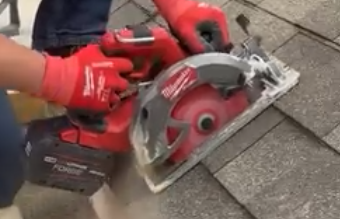
People jump straight to “my blade is warped” because that’s the scariest explanation, but a genuinely bent blade is actually one of the less likely culprits. Blades are stamped from hardened steel and don’t bend easily unless they’ve been dropped, pinched in a cut, or overheated from binding.
If you want to check, lay the blade flat on a table saw top or any flat surface and spin it with your finger. Any high spots will be obvious right away. If it’s flat, the wobble is coming from somewhere else in the system.
Loose Arbor Nut
This is the number one reason a blade wobbles, and it’s almost embarrassingly simple. The arbor nut holds the blade against the saw’s spindle flange, and if it’s not torqued down properly, the blade has just enough play to flop back and forth as it spins.
Unplug the saw, engage the blade lock, and check that nut with a wrench. Remember the classic rule: righty tighty on most saws, but check your manual, because some blades tighten counterclockwise depending on rotation direction. Snug it firmly, not gorilla-tight, just enough that there’s no give.
Dirty or Damaged Flanges
The inner and outer flanges are the two washer-like discs that sandwich the blade and keep it flat and centered. Over time, sawdust, resin, and pitch build up on these surfaces, and even a thin layer of gunk can throw the blade off true.
Pop the blade off and take a rag with a little mineral spirits to both flanges until they’re clean metal again. While you’re in there, check the flanges themselves for dings, burrs, or warping. A flange that’s been dropped or crushed will never seat a blade flat again, and at that point replacing it is cheaper than the headache of chasing the problem for weeks.
Wrong Blade for the Arbor Size
This one trips up more people than you’d think, especially if you’ve been swapping blades between different saws or bought a blade secondhand. If the arbor hole is even slightly oversized for your saw’s spindle, the blade will have play no matter how tight the nut is.
Most circular saws use a 5/8 inch arbor, but there are exceptions, and reducer rings exist for a reason. Double check the blade’s arbor size matches your saw exactly.
Bent Arbor or Worn Bearings
If the blade, the nut, and the flanges all check out fine, the problem might be deeper in the saw itself. A bent arbor shaft, usually from the saw taking a hard drop or getting jammed mid-cut, will make everything mounted to it wobble no matter what you do.
Worn spindle bearings cause a similar symptom, often paired with a grinding or rumbling sound at idle. Neither of these is a DIY fix for most people. At this point it’s worth taking the saw to a repair shop or, if the saw is an older budget model, weighing the repair cost against just replacing it.
Cheap or Thin-Kerf Blades Under Load
Sometimes the wobble isn’t a mechanical fault at all; it’s just physics. Thin-kerf blades, especially cheap ones, flex more under load than a full-kerf blade will. Push one through thick or dense material, and it can flutter or deflect, which feels and looks a lot like wobble even though the mounting hardware is perfectly fine.
If the wobble only shows up mid-cut and disappears when the saw is spinning freely with no material touching it, this is probably your answer. Upgrading to a stiffer blade or slowing your feed rate usually solves it.
When to Stop and Walk Away
A wobbling blade isn’t just annoying; it’s a genuine safety issue. It can bind in the cut, kick back, or, in worst cases, shatter a carbide tooth off at speed. If you’ve gone through the checklist above and the wobble is still there, don’t keep pushing material through it hoping it’ll sort itself out. Set the saw aside until you’ve pinned down the cause.
FAQs
Can a wobbling blade actually break or shatter?
Yes, especially if the wobble is severe or the blade is binding in the cut repeatedly. Carbide teeth can crack or fly off under that kind of stress, so it’s worth addressing sooner rather than later.
How tight should the arbor nut be?
Firm and snug, using the wrench that came with the saw or a comparable one, but you don’t need to put your full body weight into it. Overtightening can actually warp the flange and cause the same wobble you’re trying to fix.
My blade looks perfectly flat, so why is it still wobbling?
Flatness isn’t the only factor. Check the flanges for debris or damage, confirm the arbor size matches, and make sure the nut is properly torqued before assuming the blade itself is the problem.
Is it normal for a blade to wobble slightly when spinning freely with no load?
A tiny bit of visual flutter can be normal on some saws just from motor vibration, but a blade that’s visibly flopping side to side is not normal and shouldn’t be ignored.
Should I just buy a new blade instead of troubleshooting?
If the blade itself is bent or has a burred arbor hole, replacing it is the right call. But if you skip the troubleshooting and the real issue is a dirty flange or loose nut, a brand new blade will wobble too.

I’m Alex, the voice behind Saw Mentor. With years of real, hands-on experience in the tools industry, I’ve learned one thing: the right tool makes all the difference.
At Saw Mentor, I share straightforward advice, honest reviews, and practical insights to help you make smarter decisions without the guesswork.
1 thought on “Why Does My Circular Saw Blade Wobble?”