

If you have never picked one up before, learning how to use a circular saw can feel a little intimidating. It is loud, it spins fast, and it looks like something that belongs in the hands of a seasoned contractor rather than a weekend DIYer.
But once you understand the basics, a circular saw becomes one of the most useful tools you can own. It cuts through plywood, dimensional lumber, and even some metal or masonry with the right blade, and it does it faster than almost anything else in your garage.
Get to Know the Tool Before You Turn It On
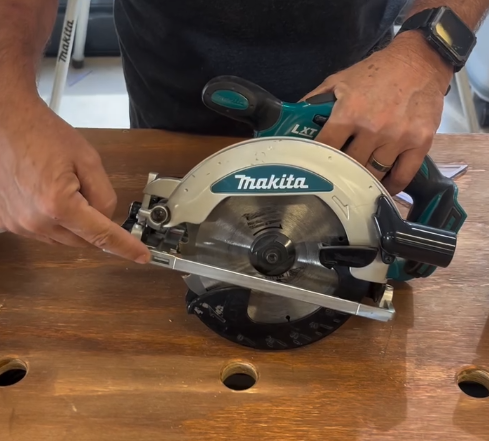
Before you even think about making a cut, spend a few minutes just holding the saw. Notice where the trigger is, where the blade guard sits, and how the base plate (also called the shoe) moves when you adjust the depth or the bevel angle.
Most saws have two adjustment knobs or levers, one for cutting depth and one for angling the blade for bevel cuts. Get comfortable finding these by feel, because you will want your eyes on the workpiece once the saw is running, not on the tool itself.
Check the blade too. A dull or wrong blade is probably the single biggest reason people have bad experiences with circular saws. A cheap, worn blade will burn the wood, bind in the cut, and kick back on you. Spend a little extra on a quality blade rated for the material you are cutting, and you will notice the difference immediately.
Set the Cutting Depth Correctly
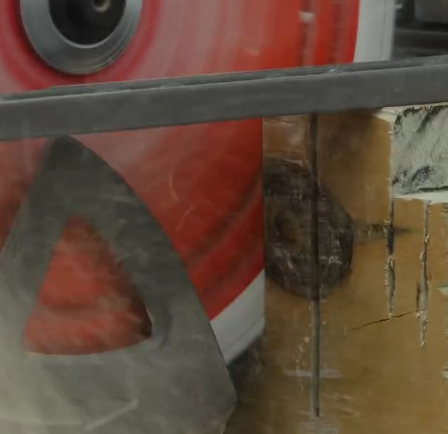
This step gets skipped a lot, and it shouldn’t. The blade should extend past the bottom of your material by about a quarter inch, no more. Some people run the blade as deep as it goes for every cut, thinking it will just power through faster, but that actually makes the saw harder to control and increases the chance of kickback.
Set the depth, then flip the saw over and hold your material against the shoe to eyeball it before you cut.
Mark Your Line and Set Up Your Cut
Use a pencil and a straightedge to mark exactly where you want to cut. For anything longer than a foot or so, clamp a straightedge guide to the workpiece so the saw has something to ride against.
Freehanding a long cut with just your eye and a steady hand sounds doable in theory, but even experienced woodworkers use guides for anything that needs to be clean and square.
Support your material properly too. If you are cutting a sheet of plywood, prop it up on sawhorses or foam insulation board so the offcut piece can fall away freely instead of pinching the blade partway through the cut.
Pinching is one of the most common causes of kickback, and it happens constantly to beginners who cut directly on the ground or on a single support.
Making the Cut
Put on eye protection and hearing protection. Circular saws are not gentle on either your eyes or your ears. Grip the front handle with one hand and the rear trigger handle with the other, keep your body slightly off to the side of the blade’s path rather than directly behind it, and let the saw come up to full speed before it touches the material.
Guide the saw forward at a steady pace. Do not force it. If you are pushing hard and the saw is bogging down or smoking, back off, check your blade, and try again. A sharp blade in good condition should move through wood with only moderate pressure.
Keep the base plate flat against the material the entire time and follow your line, adjusting your grip slightly rather than yanking the saw sideways if you start to drift.
Once the cut is finished, release the trigger and let the blade spin down completely before setting the saw down or moving on to the next cut.
Most saws have a spring loaded guard that automatically covers the blade once it clears the material, but it is still good practice to keep your hand near the trigger and stay alert until it stops spinning entirely.
A Few Habits That Keep You Safe
Always unplug the saw or remove the battery before changing blades or making adjustments. Never reach underneath the material while the saw is running. Keep your cord (if corded) clear of the cutting path so you never accidentally saw through it.
And never remove or wedge open the blade guard, even though it might seem like it would make certain cuts easier. That guard is there for a reason and disabling it is one of the fastest ways to get hurt.
It also helps to practice on scrap wood before you start on your actual project. Cutting a few practice lines on an old piece of plywood will help you get a feel for the saw’s weight, the pull of the motor, and how much pressure you actually need before you commit to the real cut.
Frequently Asked Questions
Do I cut on the left or right side of the line?
Cut so the blade removes the waste side of your pencil line, keeping the good, measured side of the board intact. Most saws are set up so the blade sits just to the right of the base plate when viewed from above, so many people line up the left edge of the blade with the line for the most accurate cut.
Why does my circular saw keep kicking back?
Kickback usually happens because the blade is binding in the cut, often due to unsupported material pinching the blade, a warped board, or a dull blade. Make sure your material is properly supported so the offcut can fall away, use a sharp blade, and avoid twisting the saw once you are partway through a cut.
What blade should I use for general wood cutting?
A general purpose carbide tipped blade with around 24 teeth works well for rough framing and everyday cuts. If you want smoother, cleaner cuts in plywood or finished lumber, switch to a blade with more teeth, somewhere around 40 to 60.
Can a circular saw cut a straight line without a guide?
It is possible with practice, but even experienced users rely on a clamped straightedge or a track guide for anything that needs to be precise. Freehand cuts tend to drift slightly, which is fine for rough cuts but not ideal for finished work.
Is it safe for a beginner to use a circular saw alone?
Yes, as long as you take the time to learn the tool, wear proper safety gear, and follow good setup habits like supporting your material and using a guide. Start with small, simple cuts on scrap wood before moving on to your actual project.
Thanks for taking the time to read this guide! We hope it helped answer your questions. If there is anything you would like to add or ask, feel free to leave a comment below. You can also explore more helpful articles on our website.

I’m Alex, the voice behind Saw Mentor. With years of real, hands-on experience in the tools industry, I’ve learned one thing: the right tool makes all the difference.
At Saw Mentor, I share straightforward advice, honest reviews, and practical insights to help you make smarter decisions without the guesswork.
1 thought on “How to Use a Circular Saw?”