

If you have ever cut MDF and pulled back the saw to find a crumbling, fuzzy edge, you already know how deceiving this material can be. It looks cooperative. It sits flat, takes a pencil line well, and feels almost soft underfoot.
Then you make a cut, and the bottom face looks like someone dragged a cheese grater across it. The frustration is real, especially when the piece was meant for a painted cabinet door or a furniture build where edges are visible.
The short answer to the question is yes, a circular saw absolutely can cut MDF without chipping. Woodworkers and cabinet makers do it every day on job sites with no table saw in sight.
But the result depends almost entirely on what blade you are using, how fast you are feeding the saw, and a few preparation steps that most people skip because nobody told them they mattered. This article covers all of it.
What Is MDF and Why Does It Chip Differently Than Wood
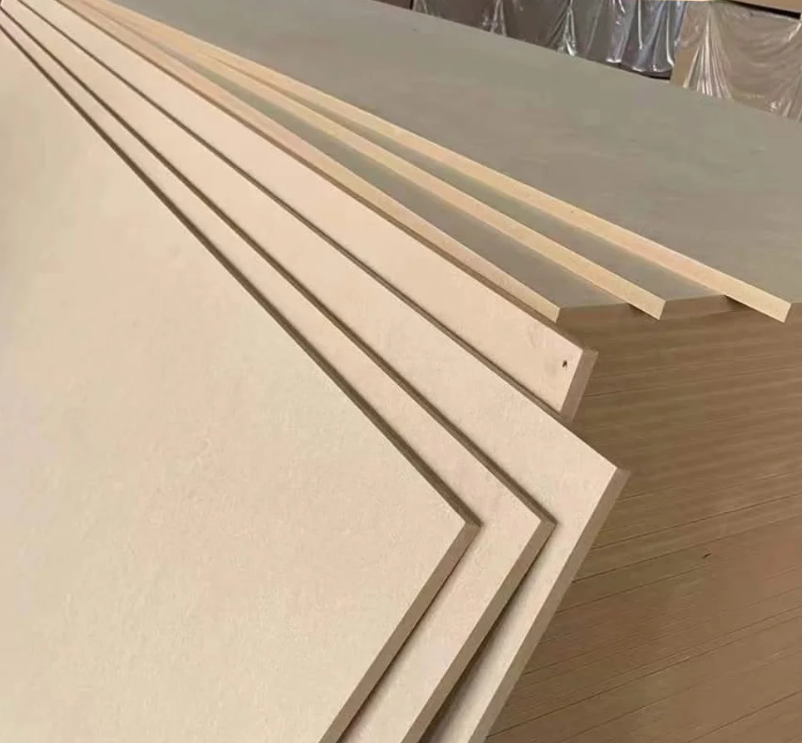
MDF stands for Medium Density Fiberboard. It is made by breaking down wood residuals into fine fibers, mixing them with wax and resin binders, and pressing them into panels under high heat and pressure. The result is a material with no grain direction, no knots, and a perfectly uniform surface from face to face.
That uniform structure sounds like it should make cutting easier, and in some ways it does. You never have to worry about grain direction causing a split, and the material does not move seasonally the way solid wood does.
But the fiber-and-resin composition also means that the surface skin of MDF is slightly denser and more brittle than the core. When a blade exits through a face, those surface fibers can tear rather than cut if the blade is not sharp enough or moving fast enough through the material. That tear is what creates the chipped or fuzzy edge.
The resin content also matters more than people realize. MDF is significantly harder on cutting tools than natural wood. The resin blunts blade edges faster, which means a blade that gave you clean cuts at the start of a project may be delivering torn edges by the end. This is especially noticeable with cheaper steel blades that are not designed to handle the abrasive nature of the material.
How a Circular Saw Blade Moves Through MDF
Understanding which face gets the clean cut and which gets the tearout is not just trivia. It determines how you orient your workpiece before every single cut.
With a circular saw, the blade rotates so that the teeth enter the material from the bottom and exit at the top. The entry side, which is the bottom face of your workpiece, tends to be cleaner because the teeth are biting into the material as they come in. The exit side, the top face you are looking at while you cut, is where the teeth are pulling out of the material, and that upward motion can lift and tear the surface fibers.
This is the exact opposite of what happens on a table saw, where the blade exits through the top face and the bottom face gets the tearout. Once you know this, the solution becomes obvious: position the face that will be visible in your finished project facing down when you cut with a circular saw. The show face goes down, the hidden face goes up.
Choosing the Right Blade

This is the single most important variable in the whole process, and it is the one most people get wrong. A standard 24-tooth framing blade will cut through MDF, but the edges will be rough. A 40-tooth general purpose blade is better, but still not ideal for visible edges. What you actually want is a blade with 60 to 80 teeth minimum.
More teeth mean each individual tooth removes a smaller amount of material with each pass. The cut becomes a series of tiny, controlled slices rather than aggressive bites. The result is a much smoother edge on both faces. For finish carpentry or furniture work where the edge will be painted, an 80-tooth blade is worth every penny of the price difference.
The blade must be carbide-tipped. High-speed steel blades dull too quickly against the resin in MDF, and a dull blade is the fastest route to chipped edges. Carbide holds its edge significantly longer and gives you consistent results across an entire sheet rather than starting clean and deteriorating as you go.
Thin-kerf blades are another upgrade worth considering. A thin-kerf blade removes less material on each pass, which means less heat builds up in the cut. Heat is a problem with MDF because the resin can soften slightly and cause fiber fuzz on the cut face. Thinner kerf also reduces the load on your saw motor, which matters if you are running a cordless circular saw through 3/4-inch sheet after sheet.
Setting the Blade Depth Correctly
Blade depth is something a lot of people set once and forget. For MDF, it actually deserves attention. The standard advice for circular saw work is to set the blade so that one full tooth extends below the bottom of the material; for a 3/4-inch MDF sheet, that puts the blade about an inch below the work surface.
The reason depth matters is the angle at which the teeth pass through the material. When the blade is set too deep, the teeth pass through at a steeper angle, and there is more blade surface dragging through the cut at any given moment. This increases friction and heat. When it is set at the correct depth, the geometry is cleaner, and the cut is smoother. It also reduces the risk of the blade binding if the material shifts.
Feed Rate and Saw Speed
Feed rate is the part of this that feels counterintuitive. MDF is not a hard material, so the natural instinct is to move through it quickly. In practice, feeding too fast is one of the most common causes of chipped edges. When you push the saw faster than the blade can cleanly cut each fiber, the teeth start tearing rather than slicing.
The right pace is slow and steady. You should be able to hear the saw running at a consistent tone without any laboring or bogging down. If the motor pitch drops as you cut, you are going too fast. If the saw sounds effortless and you barely feel any resistance, you are probably in the right zone.
Always bring the saw up to full speed before the blade contacts the MDF. Starting the cut with a blade that is still accelerating is a reliable way to create a chipped entry point. Hold the trigger at full power from before first contact until after the blade has completely cleared the exit point of the cut. Do not let off early.
Scoring the Cut Line Before You Saw
Scoring is one of those techniques that feels like extra work until you try it and see the result. Before you make the saw cut, run a sharp utility knife along your marked line with firm, steady pressure. One pass is enough. What you are doing is severing the surface fibers before the blade ever touches them.
When the blade comes through, instead of the teeth pulling those surface fibers up and tearing them, the fibers are already cut, and they break off cleanly at the score line. The difference on the top face of the cut, where tearout would normally be worst, is dramatic. This technique is especially worth doing on the face that will be visible in your finished piece, even if that face is going up and will get more tearout from the blade direction.
Use a quality knife with a fresh blade. A dull utility knife scoring line actually does more harm than good because it compresses the fibers instead of cutting them cleanly.
The Painter’s Tape Method
If scoring feels too slow for the volume of cuts you are making, painter’s tape is a faster alternative that still gives noticeably better results than cutting bare MDF. Apply a strip of blue painter’s tape along the cut line on the top face of the material, then mark your line on top of the tape and make the cut.
The tape holds the surface fibers together as the blade exits, preventing them from lifting and tearing. It is not quite as precise as scoring because the tape adds a tiny amount of thickness and can slightly obscure your line, but for most project work, it is quick and effective. Peel the tape off slowly after the cut, pulling at a low angle to the surface rather than straight up.
Supporting the Sheet Properly
MDF is dense and heavy. A full 4×8 sheet of 3/4-inch MDF weighs around 96 pounds, and even smaller pieces have enough weight to flex and sag if not properly supported. Flexing during a cut is dangerous and also contributes to poor edge quality because the material movement changes the angle of the blade relative to the workpiece mid-cut.
The best approach for breaking down full sheets is to lay a sheet of two-inch foam insulation board on the ground or on sawhorses and rest the MDF on top of it. The foam supports the entire sheet evenly, and you can cut right through the MDF into the foam without worrying about the offcut dropping. When the offcut drops suddenly at the end of a cut, the last inch or two of the edge is where the worst tearout happens because the falling weight pulls the fibers down and away from the blade.
If you are working on sawhorses without foam, set them close together and make sure both sides of the cut line are supported all the way to the end of the cut. Have someone hold the offcut if needed.
Using a Straight Edge Guide
Freehand cuts on MDF are a bad idea for two reasons. First, it is hard to hold a perfectly straight line over the length of a full sheet. Second, any deviation mid-cut changes the angle of the blade relative to the surface, which increases tearout and can cause the blade to bind. Always use a guide.
A simple straight edge guide can be a piece of straight plywood or MDF clamped along the cut line, positioned so the edge of your saw’s base plate runs against it. Aluminum straightedge clamps are available from most woodworking suppliers and are worth owning if you break down sheet goods regularly. They can be positioned quickly and clamp to the material without marring it.
Measure the offset between the edge of the saw’s base plate and the blade, and account for that when positioning the guide. This measurement is consistent for your saw, so once you know it you can set up every cut quickly without having to trial-and-error each time.
Dealing with MDF Dust
This is worth mentioning because it catches a lot of people off guard. MDF dust is very fine, much finer than regular wood dust, and it stays airborne for a long time. The resin and fiber combination makes it particularly irritating to the respiratory system, and it can accumulate quickly in enclosed spaces.
Always wear a proper dust mask when cutting MDF, ideally a respirator rated for fine particulates rather than a basic paper mask. If you are doing any volume of cutting, set up dust extraction at the saw if your model supports it, or work outside. The dust is also abrasive to your saw and will clog the motor vents if you let it build up, so blow out the tool after extended sessions.
When to Sand and When Not To
Light fuzz on a cut edge, the kind that looks like tiny fibers standing up rather than actual chunks missing from the surface, can be addressed with a light pass of 120-grit sandpaper. Sand parallel to the cut, not across it, and use a sanding block to keep the pressure even. This kind of cleanup takes about thirty seconds and can make a fuzzy edge look factory-clean.
Actual chipping, where pieces of the surface skin have torn away and left a ragged depression, is a different problem. You can fill it with wood filler or spackle and sand it flat once dry, but if the edge is going to be highly visible and especially if it is going to have a routed profile, you are better off re-cutting the piece. Filled chipped edges show through paint if the surface is not perfectly prepared, and on a furniture piece that will see any handling, filler on an edge does not hold up well.
The lesson is that it is always easier to get the cut right the first time than to try to save a bad edge afterward.
A Note on Different Circular Saw Types
Standard sidewinder circular saws are the most common type and work well for MDF with the right blade and technique. Worm drive saws have more torque and tend to track straighter on long cuts, which can be an advantage on full sheet work. Cordless circular saws are capable of clean cuts on MDF but drain batteries fast through thick sheet goods, so have extras charged if you are cutting a lot of material.
Track saws, which are circular saws designed to run on an aluminum guide rail system, are arguably the best tool for clean MDF cuts outside of a table saw. The track keeps the cut perfectly straight, and many track saw systems include anti-chip inserts in the rail itself.
If you do a lot of sheet goods work, a track saw is worth the investment. But it is absolutely not required to get clean cuts. The techniques in this article work with any standard circular saw.
Frequently Asked Questions
What tooth count blade do I actually need for clean MDF cuts?
For general cuts where the edge will be hidden, 60 teeth will do the job cleanly. For visible edges that will be painted or where the finish quality matters, step up to an 80-tooth blade. Anything below 40 teeth will produce rough edges that require significant cleanup. Make sure whatever blade you choose is carbide-tipped, not high-speed steel, because MDF’s resin content dulls non-carbide edges very quickly.
Does it matter which face of the MDF faces up when I cut?
Yes, and it matters a lot. With a circular saw, place the face you want to look best facing down. The blade exits through the top face, which is where tearout is most likely to occur. If the visible face of your panel is facing up while you cut, that is the face that will take the worst of the chipping. Flip it so the good face is down, and any tearout ends up on the back.
Can I fix a chipped MDF edge after the cut?
Light surface fuzz can be sanded away with 120-grit sandpaper and a block. Deeper chips where surface material has actually torn away can be filled with wood filler or lightweight spackle, sanded flush, and primed, but the repair requires careful preparation to be invisible under paint. If the edge is structural or will be profiled with a router, re-cutting is almost always better than trying to salvage a badly chipped edge.
Is scoring really worth the extra step?
On cuts where edge quality matters, yes. Scoring the cut line with a sharp utility knife before sawing severs the surface fibers so the blade does not lift and tear them as it exits. The difference is clearly visible on the top face of the cut.
It takes about ten seconds per cut and requires nothing more than a utility knife with a fresh blade. For production work where you are cutting dozens of pieces, it may not be practical, but for furniture or cabinetry where each edge will be seen, it is worth the time.
My blade is fairly new but I am still getting chipped edges. What am I missing?
A few things are worth checking. First, tooth count matters more than blade age. A brand-new 24-tooth blade will still chip MDF badly. Make sure you are using 60 teeth or more. Second, check your feed rate. Pushing the saw too fast through the material is one of the most common causes of poor edges, regardless of blade quality. Slow down and let the blade do the work. Third, make sure both sides of the cut are supported so the offcut does not drop and tear at the end. Finally, check that you are bringing the saw up to full speed before blade contact, not starting the cut while the blade is still accelerating.
Final Thoughts
Cutting MDF cleanly with a circular saw is not complicated, but it does require doing a few things right at the same time. The right blade, the right speed, proper support, and knowing which face to put down all contribute to the result. Miss one of them and the edges suffer.
Get all of them right, and you will wonder why you ever thought MDF was difficult to work with. The investment in a high-tooth carbide blade is easily the single best upgrade you can make.
Everything else in this article costs nothing except a few extra minutes of setup and attention. For any project where MDF edges will be visible, painted, or touched, that attention pays off in a result that looks professional and requires far less remedial sanding and filling.

I’m Alex, the voice behind Saw Mentor. With years of real, hands-on experience in the tools industry, I’ve learned one thing: the right tool makes all the difference.
At Saw Mentor, I share straightforward advice, honest reviews, and practical insights to help you make smarter decisions without the guesswork.
1 thought on “Can A Circular Saw Cut Mdf Without Chipping?”