

If you’ve ever stood in a hardware store staring at a wall of saws wondering which one you actually need, you’re not alone. It’s one of those questions that sounds simple but opens up a rabbit hole fast.
The honest answer is it depends on what you’re trying to cut and how much room you have to work with. But let’s break it down in a way that actually makes sense for a regular person doing home projects.
Start With What You’re Actually Trying to Do
Most people cutting wood at home fall into one of a few categories. Maybe you’re building shelves, trimming lumber for a small deck, cutting firewood, or just trying to make pieces fit that don’t quite fit.
The type of cut you need straight across, at an angle, or following a curve is what should be driving your saw choice, not what looks cool at the store.
The Handsaw: Still Worth Keeping Around
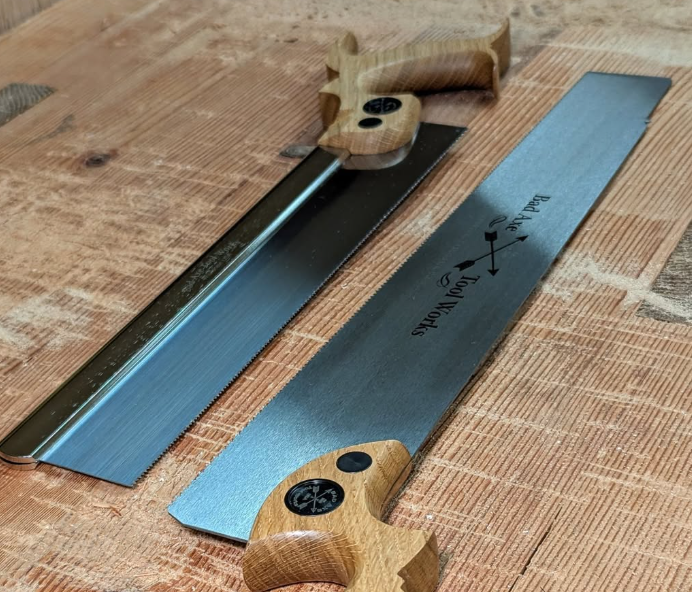
A lot of people skip the handsaw because it feels old-fashioned, but for occasional cuts on smaller boards, it’s genuinely hard to beat. No cords, no setup, no noise complaints from neighbors.
A basic crosscut handsaw handles most household lumber without any fuss. If you’re only cutting wood once every few months, this might honestly be all you need. Get one with around 8–10 TPI (teeth per inch), and you’ll get through 2x4s without much effort.
The Circular Saw: The Real Workhorse
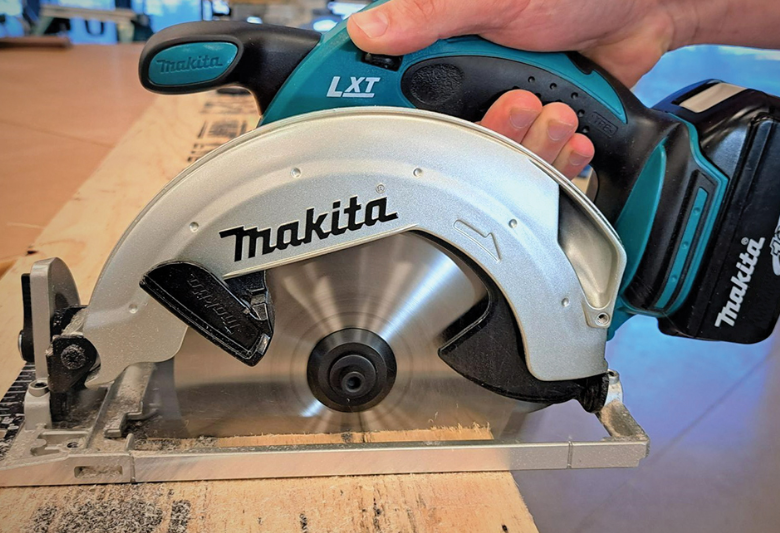
If there’s one power saw worth owning for home use, it’s a circular saw. It’s portable, relatively affordable, and can handle sheet goods like plywood as well as dimensional lumber. Straight cuts are its strength.
Pair it with a decent guide or clamp a straight edge to your board, and you can get surprisingly clean results. It’s not the perfect tool for everything, but for most people doing weekend projects, it covers about 80% of what comes up.
The Miter Saw: When You Need Angles
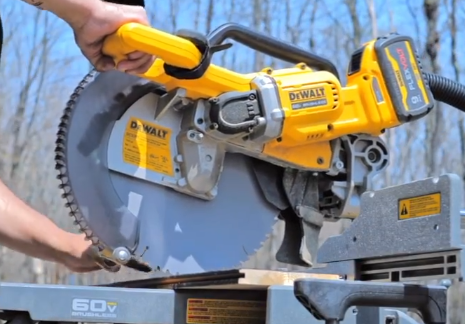
Once you get into trim work, cutting picture frames, building simple furniture, or anything that involves corners and angles, a miter saw changes the game. It lets you set an exact angle, lock it in, and repeat the same cut over and over.
The accuracy you get from a miter saw by hand is nearly impossible to match. Compact versions, often called sliding compound miter saws, don’t take up as much space as people expect and are worth the investment if you do more than occasional projects.
The Jigsaw: For Curves and Cutouts
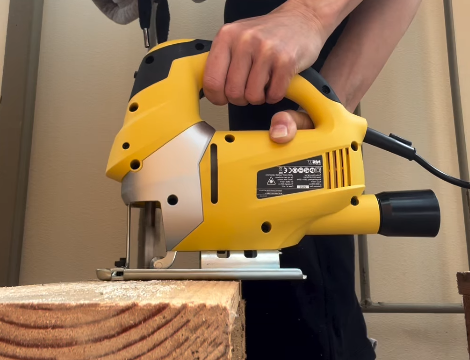
Need to cut a circle, follow a curved line, or make a cutout in the middle of a board? That’s where a jigsaw comes in. It’s not the right tool for long straight cuts, but for anything that requires the blade to change direction, there’s really no substitute.
They’re also one of the easier power saws to use safely, which makes them great for beginners who want to do more than just straight cuts.
The Hand Saw vs. Power Saw Question
People often ask whether they really need a power saw at all. The real answer is that it comes down to volume and repetition. If you’re cutting one or two boards, a handsaw is perfectly fine, and you won’t regret not plugging anything in.
If you’re making twenty cuts in an afternoon, a power saw will save you real time and energy. There’s no shame in either direction; the right tool is the one that matches the actual work in front of you.
A Few Things to Keep in Mind
Blade choice matters as much as the saw itself. A cheap saw with a sharp, quality blade will outperform an expensive saw with a worn-out blade every time. For most home cutting tasks on softwoods and common lumber, a general-purpose blade works fine.
If you’re cutting plywood or melamine and care about splinters on the good side, look for a blade with a higher tooth count.
Safety doesn’t need to be said a dozen times, but clamp your material, keep fingers away from the cut line, and don’t try to rush a cut by forcing the blade. Saws cut best when you let them do the work.
FAQs
What’s the best saw for a beginner cutting wood at home?
A circular saw or a simple crosscut handsaw is the best starting point for most beginners. The handsaw requires no power and is great for occasional cuts, while a circular saw gives you the speed and versatility to handle bigger projects. Start with one of these before adding anything else to your collection.
Can I use a circular saw to cut angles?
You can, but it’s not ideal for precise angled cuts. A circular saw can be tilted to make bevel cuts, but for repeatable, accurate angle cuts like 45-degree miters for trim work, a miter saw is a much better option. Using a circular saw for angles works in a pinch but takes more effort to get right.
What saw do I need to cut plywood sheets?
A circular saw is the go-to for breaking down full plywood sheets. A table saw gives cleaner results if you have one, but most home users don’t. Clamp a straightedge to your plywood as a guide for the circular saw, and you’ll get cuts that are clean enough for most projects.
Is a jigsaw good for cutting straight lines?
Not really. A jigsaw is designed for curves and freeform cuts. Trying to run a jigsaw in a straight line for any distance usually results in a slightly wavy edge, even with a guide. For straight cuts, stick to a circular saw, miter saw, or handsaw depending on what you’re working with.
How do I know what blade to use for my saw?
Match the blade to the material and the type of cut. Fewer teeth mean faster, rougher cuts, good for ripping through lumber quickly. More teeth mean slower but smoother cuts, which is what you want for finish work or plywood.
The saw’s manual or the blade packaging will tell you what it’s designed for, and it’s worth following that rather than guessing.

I’m Alex, the voice behind Saw Mentor. With years of real, hands-on experience in the tools industry, I’ve learned one thing: the right tool makes all the difference.
At Saw Mentor, I share straightforward advice, honest reviews, and practical insights to help you make smarter decisions without the guesswork.