

Woodworking is becoming more popular than ever, especially among DIY enthusiasts and homeowners who enjoy building furniture, shelves, decorations, and simple home improvement projects.
However, not everyone has access to a large workshop or garage. Many people work from apartments, balconies, patios, or small corners inside their homes. While small-space woodworking is convenient, it also requires extra attention to safety.
Learning how to cut wood in a small space safely is important because limited areas can increase the risk of accidents, dust buildup, poor ventilation, and tool mishandling. The good news is that with proper planning, the right tools, and smart safety habits, you can safely cut wood even in compact spaces.
This guide explains everything beginners need to know about safely cutting wood in a small area while keeping the workspace organized, clean, and efficient.
Why Safety Is Important in Small Woodworking Spaces
Working in a small area is very different from working in a large workshop. In a bigger workspace, there is usually more room for movement, better ventilation, and dedicated stations for cutting and storing tools. In smaller spaces, however, every inch matters.
A cramped workspace can create several problems, including:
- Limited movement while handling tools
- Increased dust accumulation
- Higher chances of tripping over cords or materials
- Poor airflow
- Difficulty managing large wood pieces
These challenges can quickly become dangerous if proper precautions are ignored. Creating a safe environment should always be the first step before starting any woodworking project.
Choosing the Right Space for Cutting Wood
You do not need a professional workshop to cut wood safely. Many small spaces can work well if they are properly organized.
Best Small Spaces for Woodworking
Some good options include:
- A balcony
- A patio
- A small garage
- A backyard corner
- A utility room
- A well-ventilated indoor workspace
The key is choosing an area with enough lighting, airflow, and stability.
Ensure Proper Ventilation
Ventilation is extremely important when cutting wood indoors or in tight areas. Sawdust can quickly spread through the air and become difficult to breathe.
Ways to Improve Ventilation
- Open nearby windows and doors
- Use portable fans
- Work outdoors whenever possible
- Avoid fully enclosed rooms
Good airflow helps reduce dust buildup and makes the workspace more comfortable.
Use Bright Lighting
Poor lighting is one of the most common causes of cutting mistakes. When you cannot clearly see the cutting line or blade position, accidents become more likely.
Natural daylight works best, but bright LED work lights are also effective for small woodworking spaces.
Benefits of Good Lighting
- Helps make accurate cuts
- Makes hazards easier to notice
- Improves tool control
- Reduces eye strain
Best Tools for Small-Space Woodworking
Large woodworking machines may not be practical for compact areas. Portable and lightweight tools are usually safer and easier to manage.
Circular Saw
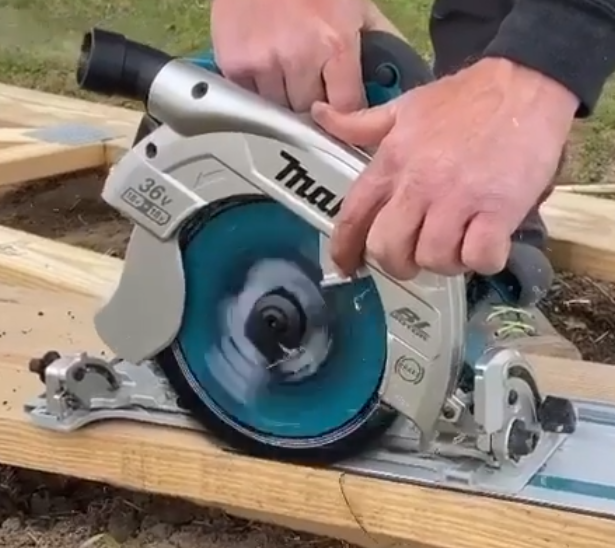
A circular saw is one of the best tools for cutting wood in small spaces because it is compact, versatile, and powerful.
What a Circular Saw Can Cut
- Plywood
- Lumber
- MDF boards
- Straight cuts
For better accuracy, clamp a straight guide onto the wood before cutting.
Circular Saw Safety Tips
- Always use sharp blades
- Keep both hands on the saw
- Allow the blade to stop completely before placing the tool down
- Never remove the blade guard
Jigsaw
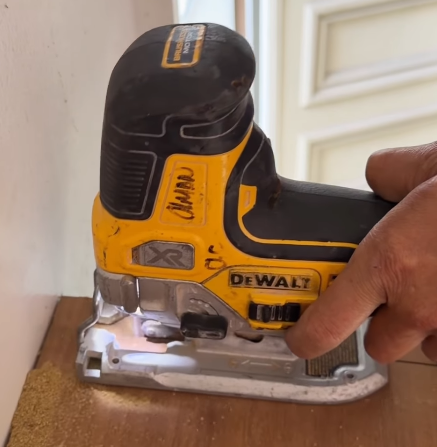
A jigsaw is another excellent tool for beginners working in limited spaces.
Best Uses for a Jigsaw
- Curved cuts
- Small wood pieces
- Decorative designs
- Detailed work
Jigsaws are easier to control than many larger saws and usually create less noise.
Hand Saw
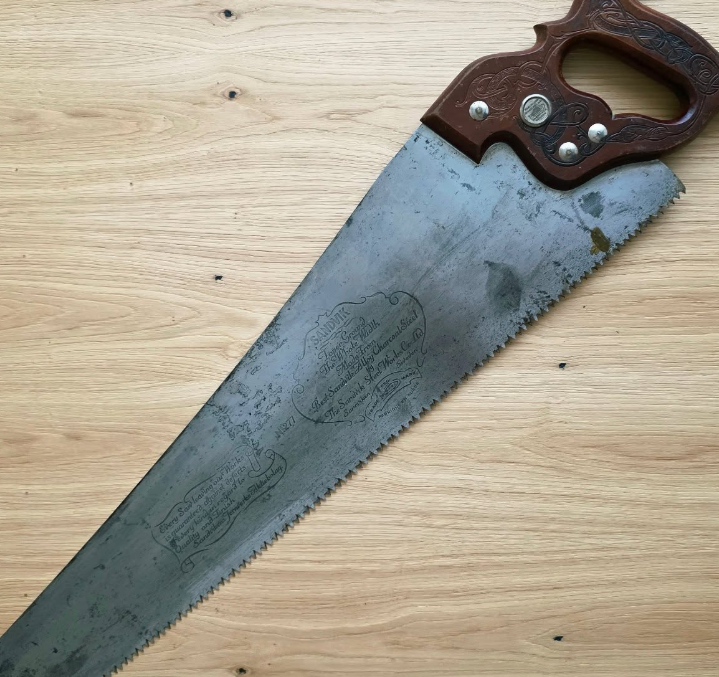
A traditional hand saw is still one of the safest tools for small DIY projects.
Benefits of a Hand Saw
- Quiet operation
- Better control
- No electricity needed
- Lower cost
Although hand saws require more effort, they are perfect for beginners and indoor projects where noise is a concern.
Essential Safety Equipment
No woodworking project should begin without proper safety gear. Even a simple cut can create dangerous debris and dust.
Must-Have Safety Gear
Always wear the following safety equipment:
- Safety glasses
- Dust mask or respirator
- Hearing protection
- Work gloves
- Non-slip shoes
These basic items can significantly reduce the risk of injuries.
Safety Glasses Protect Your Eyes
Wood chips and sawdust can fly into your eyes within seconds while cutting.
Safety Glasses Help Protect Against
- Dust particles
- Splinters
- Flying debris
Regular glasses are not enough protection during woodworking.
Dust Masks Improve Breathing Safety
Wood dust can become a serious problem in small indoor spaces.
Using a dust mask or respirator helps prevent:
- Breathing irritation
- Coughing
- Dust inhalation
This is especially important when cutting MDF or treated wood because they produce fine dust particles.
Create a Stable Cutting Surface
One of the biggest mistakes beginners make is cutting wood on unstable furniture or uneven surfaces.
A stable cutting setup improves both safety and accuracy.
Good Cutting Surface Options
- Folding workbenches
- Sawhorses
- Portable work tables
- DIY plywood platforms
Always clamp the wood securely before cutting. Moving wood can cause dangerous mistakes and uneven cuts.
Keep the Workspace Clean and Organized
Small workspaces become dangerous quickly when clutter builds up.
Before Cutting Wood
- Remove unnecessary tools
- Organize extension cords
- Clear walking paths
- Sweep away dust and debris
A clean environment reduces tripping hazards and improves focus.
Measure Carefully Before Cutting
Accurate measurements are essential in woodworking. Incorrect cuts waste materials and increase frustration.
A simple rule to remember is:
Measure twice, cut once.
Useful Measuring Tools
- Measuring tape
- Speed square
- Pencil
- Straight edge
Clear markings help create cleaner and safer cuts.
Safe Cutting Techniques for Beginners
Proper cutting habits are just as important as using good tools.
Let the Blade Do the Work
Never force the saw through the wood.
Pushing too hard can:
- Damage the blade
- Cause rough cuts
- Increase kickback risk
- Reduce tool control
Move slowly and steadily for smoother results.
Keep Hands Away From the Blade
Always maintain a safe distance between your hands and the cutting path.
Whenever possible, use clamps instead of holding the wood by hand.
Maintain Proper Body Position
Do not stand directly behind the blade while cutting.
Safer Positioning Tips
- Stand slightly to the side
- Keep a balanced footing
- Avoid awkward body positions
This improves control and reduces injury risk if kickback occurs.
How to Reduce Dust in Small Spaces
Dust management is very important when woodworking indoors.
Too much dust can affect:
- Breathing
- Visibility
- Cleanliness
- Tool performance
Use a Vacuum Attachment
Many modern saws support vacuum connections that collect dust while cutting.
This keeps the workspace cleaner and healthier.
Use Drop Cloths
Plastic sheets or old clothes can help protect floors and furniture from dust.
Cleanup becomes much easier after the project is complete.
Clean During the Project
Do not wait until the end to clean the area.
Regular cleaning improves safety and prevents dust buildup.
Common Mistakes to Avoid
Many woodworking accidents happen because of simple beginner mistakes.
Avoid These Common Problems
- Using dull blades
- Rushing cuts
- Ignoring safety gear
- Working in poor lighting
- Cutting without clamps
- Allowing clutter to build up
Taking your time improves both safety and project quality.
Best Wood Types for Beginners
Some wood materials are easier to cut and manage in small spaces.
Pine
Pine is lightweight, affordable, and easy to cut.
Plywood
Plywood is strong and useful for many DIY furniture projects.
MDF
MDF provides smooth surfaces but creates more dust, so proper ventilation is important.
Final Thoughts
Learning how to cut wood in a small space safely can help you enjoy woodworking without needing a large workshop. A compact workspace can still be efficient and safe when organized properly.
Focus on proper ventilation, stable cutting surfaces, clean organization, and safe tool handling. Portable tools like circular saws, jigsaws, and hand saws are ideal for smaller areas and beginner projects.
Whether you are building shelves, creating home decor, or starting DIY woodworking as a hobby, safety should always come first. With the right setup and careful planning, you can confidently complete woodworking projects even in limited spaces.

I’m Alex, the voice behind Saw Mentor. With years of real, hands-on experience in the tools industry, I’ve learned one thing: the right tool makes all the difference.
At Saw Mentor, I share straightforward advice, honest reviews, and practical insights to help you make smarter decisions without the guesswork.