

Let me be real, the first time I walked into a hardware store to buy a saw, I stood in that aisle for a good twenty minutes and left with nothing. The options were overwhelming, and I had no idea what half of them even did.
If that sounds familiar, you’re not alone. Picking the wrong saw doesn’t just waste money. It makes your project harder, your cuts rougher, and your Saturday a lot less fun. So let’s cut through the confusion (pun intended) and figure out what you actually need.
Start With the Project, Not the Tool
This is the mistake most beginners make: they buy a saw because it looks impressive or because it was on sale. Then they try to make every project fit that one tool.
Instead, flip the thinking. Ask yourself:
- What material am I cutting? (wood, metal, tile, drywall?)
- What kind of cuts do I need? (straight lines, curves, angles, notches?)
- How often will I be doing this kind of work?
- Do I need something portable, or is this staying in the garage?
Your answers to those four questions will do most of the work for you.
The Saws You’ll Actually Use
There are dozens of saw types out there, but realistically, most DIYers only ever need a handful. Here’s a plain-English breakdown of the ones worth knowing.
Circular Saw: The Workhorse
If you could only own one power saw, make it this one. A circular saw handles long straight cuts through lumber, plywood, OSB, and decking. It’s portable, affordable, and once you get comfortable with it, surprisingly precise.
The learning curve is real, though. You need a straightedge guide for clean cuts, and it demands respect; this isn’t a tool you operate while distracted. But for framing, building shelves, cutting down sheet goods, or tackling deck projects, it’s hard to beat.
Good for: General cutting, lumber, plywood, framing projects
Not ideal for: Curves, fine joinery, small detailed work
Jigsaw: The Flexible One
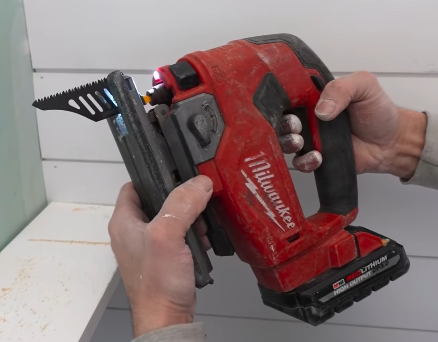
A jigsaw is what you reach for when a straight line won’t do. Curved cuts, notches around outlets, shapes in plywood, this is the tool. It’s also one of the friendlier saws for beginners because it moves slowly and gives you a lot of control.
Swap the blade, and it’ll also cut through thin metal, plastic, and even tile with the right setup. The cuts aren’t always the cleanest, but for most DIY applications, it does the job perfectly well.
Good for: Curves, cutouts, irregular shapes, versatile materials
Not ideal for: Long straight cuts, thick hardwood
Miter Saw: The Precision Tool
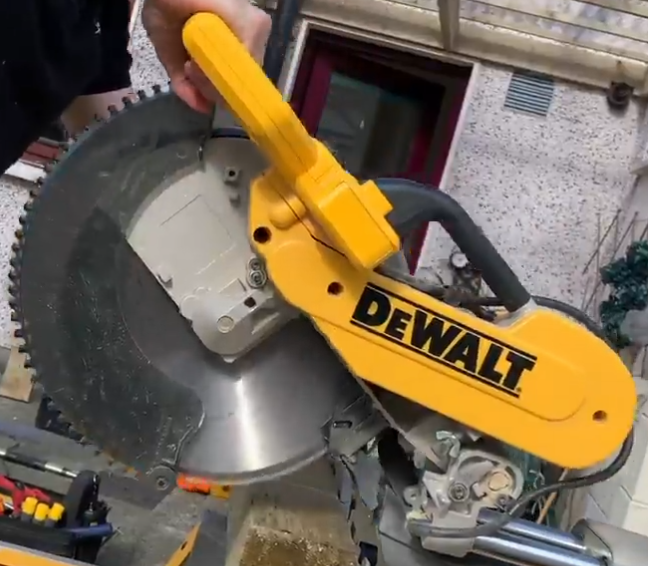
Once you start doing trim work, building furniture, or framing interior walls, a miter saw becomes your best friend. It makes clean, repeatable angled cuts, the kind you need when you’re cutting baseboard corners or building a picture frame.
A basic 10-inch compound miter saw handles the vast majority of home projects. The compound feature lets you tilt the blade in two directions at once, which sounds fancy but is genuinely useful when you’re doing crown molding.
It’s not a portable tool (well, technically it is, but it’s heavy), and it doesn’t replace a circular saw for long rip cuts. Think of it as a specialty tool that does one thing really, really well.
Good for: Trim, molding, framing, furniture, angle cuts
Not ideal for: Sheet goods, curves, anything requiring a long cut
Hand Saw: The Underrated One
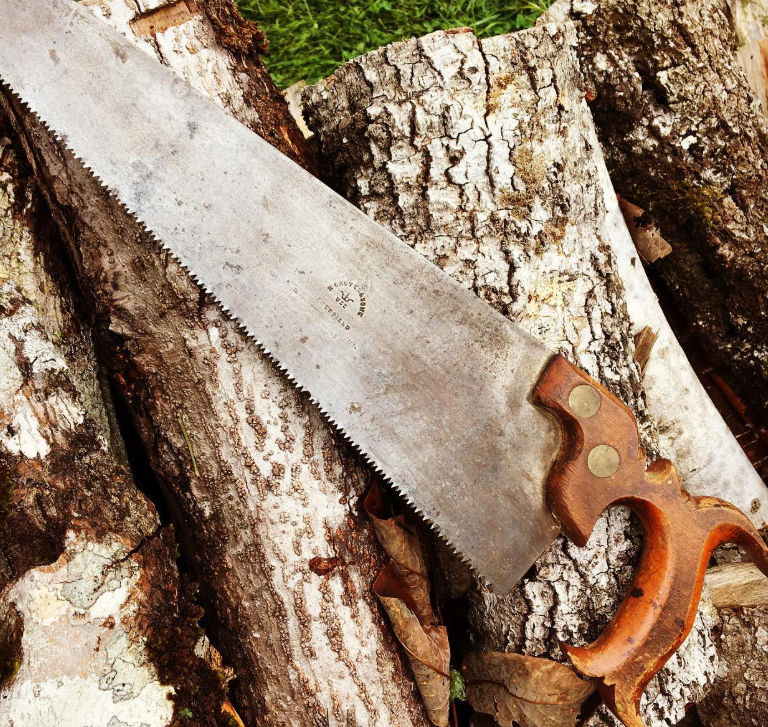
Before you roll your eyes, hear me out. A good hand saw is genuinely useful, especially in situations where pulling out a power tool is overkill or impractical. Cutting a single board, trimming a door jamb, working in a tight space, cutting off a bolt, these are moments where a hand saw earns its place.
They’re also silent, require no power, and never need a battery charged. For occasional or light work, a 15-inch crosscut hand saw is a surprisingly capable tool.
Good for: Small jobs, portability, quiet work, quick one-off cuts
Not ideal for: High-volume cutting, thick materials, long sessions
Reciprocating Saw: The Demolition Specialist
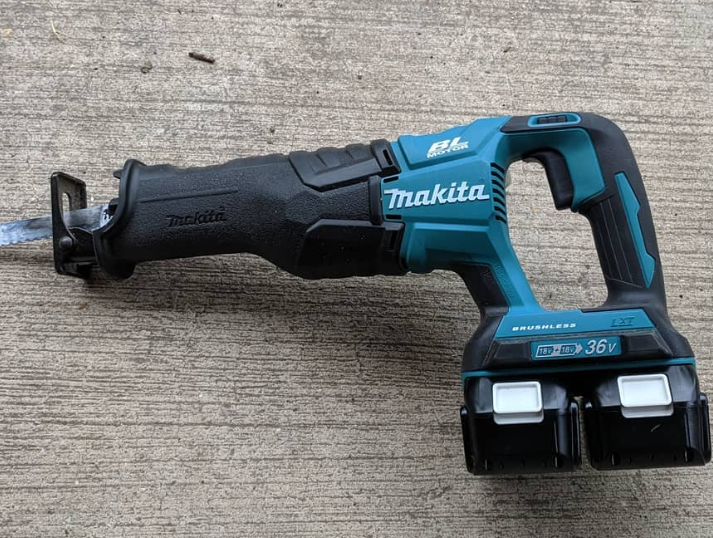
This one is less about building and more about tearing apart. If you’re removing old framing, cutting through a wall, trimming pipes, or doing renovation work where things are coming down rather than going up, a reciprocating saw is what you want.
It’s aggressive and not particularly precise, which is exactly the point. With a wood blade, it eats through lumber; with a metal blade, it handles pipes and nails. It’s a chaotic tool used for chaotic work, and for that, it’s perfect.
Good for: Demo, renovation, cutting in place, rough work
Not ideal for: Finish work, anything where precision matters
Corded vs. Cordless: A Real Debate
A few years ago, cordless tools were noticeably weaker than their corded counterparts. That gap has closed significantly. Modern 18V or 20V brushless saws from brands like DeWalt, Milwaukee, or Makita can handle serious work without a cord.
That said, corded tools still have an edge in sustained, heavy use; they don’t slow down when the battery gets low, and you never have to stop mid-project to swap packs.
My take: if you’re already invested in a cordless battery platform, stay in that ecosystem. The convenience of cordless is real. If you’re starting from scratch and mostly working in your garage, a corded circular saw will serve you well and cost less.
What to Look For in Terms of Quality
You don’t need the most expensive option, but you also don’t want the cheapest one you can find. Here’s what actually matters:
Blade quality matters more than most people realize. A mediocre saw with a sharp quality blade will outperform a premium saw with a dull or cheap blade every time. Budget for good blades.
Shoe/base plate stability: on circular saws and jigsaws, a flimsy base means inaccurate cuts. Look for a thick, flat base that doesn’t flex.
Ergonomics: you’re going to be holding this thing. Pick it up, feel the weight, check where the grip falls. If it feels awkward in the store, it’ll feel worse after thirty minutes of use.
Blade change system: some saws make changing blades easy; others make it a chore. This matters more than it seems, especially with jigsaws where you swap blades frequently.
A Practical Starter Setup
If you’re building out your shop from zero and want practical guidance, here’s what I’d actually buy in order:
- Circular saw: get this first, it does the most
- Jigsaw: versatile enough to justify an early purchase
- Miter saw: once you’re doing trim or furniture work regularly
- Hand saw: cheap, keep one around always
- Reciprocating saw: only if you’re doing demo or renovation work
That covers probably 90% of what a serious DIYer will ever need.
One Last Thing
Don’t underestimate the value of learning your tool before you commit it to a project. Cut some scrap wood. Get a feel for how the saw behaves, how much pressure to apply, how fast to move. Every saw has its own personality, and a few practice cuts will save you from ruining a good board or worse, an expensive piece of material you’ve been saving for the right project.
Buy the right tool for what you’re actually building, invest in decent blades, and don’t skip the practice runs. That’s really all there is to it.

I’m Alex, the voice behind Saw Mentor. With years of real, hands-on experience in the tools industry, I’ve learned one thing: the right tool makes all the difference.
At Saw Mentor, I share straightforward advice, honest reviews, and practical insights to help you make smarter decisions without the guesswork.