

If you’ve spent any time cutting wood, you’ve probably felt that sudden drag, the motor struggling, the blade grinding to a halt right in the middle of a cut. It’s frustrating. It’s also one of the most common problems woodworkers and DIYers run into, whether they’re using a circular saw, a table saw, or a handsaw.
The good news? It’s almost always fixable. And once you understand why it happens, you’ll rarely deal with it again.
The Wood Is Pinching the Blade
This is hands-down the most common reason a saw blade gets stuck, and it trips up a lot of people who don’t realise what’s actually happening inside the cut.
Here’s the thing about wood: it has internal stress. Trees grow under tension, absorbing forces from wind, gravity, and uneven moisture. When you start cutting through a board, you’re releasing that stress. Sometimes the two sides of the wood push inward right onto your blade. The blade doesn’t have anywhere to go, so it binds up.
You’ll notice this more with green or unseasoned lumber, bowed boards, and long cuts where the wood has more opportunity to flex and close in on itself.
The fix: Use a wedge. Once you’ve started your cut, tap a wooden shim or flathead screwdriver into the kerf (that’s the slot the blade cuts). This keeps the two sides from squeezing together and lets the blade move freely. For table saw work, a riving knife or splitter serves this same purpose automatically. If yours doesn’t have one, seriously consider adding it.
The Blade Is Dull
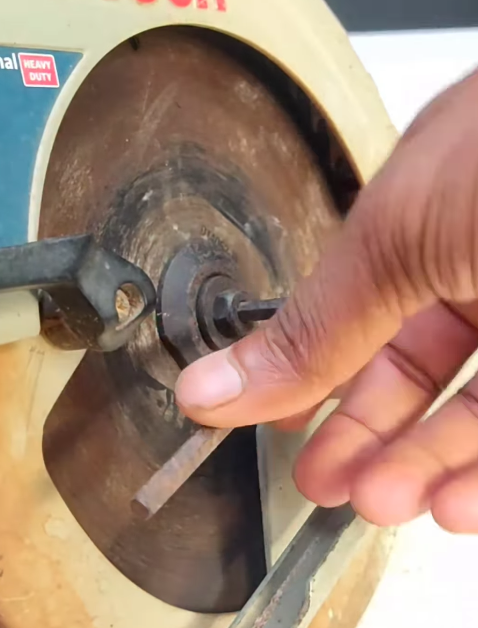
A sharp blade slices through wood. A dull blade drags through it.
It sounds obvious, but dull blades cause more saw problems than almost anything else. People push too hard to compensate for the lack of cutting power, which generates heat, which causes more friction, which makes the blade grab. It becomes a cycle.
Dull blades also tend to wander instead of following your cut line cleanly, they drift and create more resistance against the wood.
How to tell if your blade is dull: If you’re pressing down harder than you used to, if the cut is taking longer than it should, if you smell burning wood, or if the blade is leaving a rough, torn edge rather than a clean one, it’s time for a new blade or a sharpening.
Carbide-tipped blades can be resharpened by a professional, but honestly, for most DIYers, it’s cheaper and easier to just replace them. They’re not that expensive, and a fresh blade makes an enormous difference.
You’re Forcing the Cut Too Fast
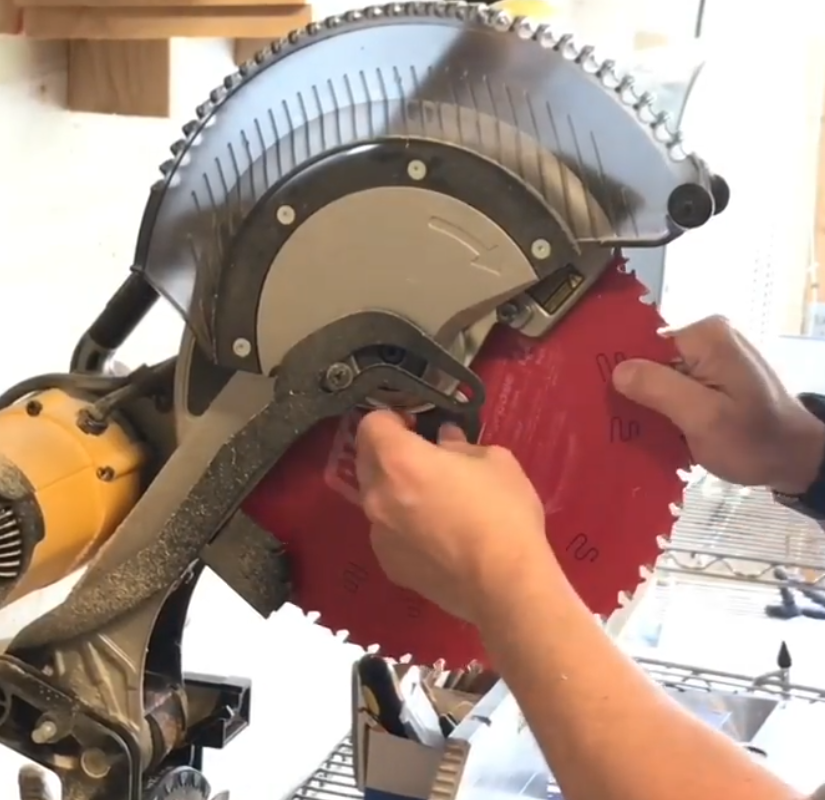
This one comes down to technique, and it’s a habit a lot of beginners pick up fast, rushing the saw through the material.
When you push a blade faster than it can comfortably cut, the teeth start taking bigger bites than they’re designed for. The motor slows down, heat builds up, and the blade can start to bind or deflect inside the cut. With a circular saw, this can also cause kickback, which is genuinely dangerous.
The right approach is to let the saw do the work. Move at a pace where the motor sounds steady and consistent, not labouring, not screaming. If you slow down and the problem goes away, you were simply moving too fast.
The Blade Isn’t Right for the Material
Not all blades are built for the same job. A ripping blade (designed for cutting with the grain) has fewer, deeper teeth. A crosscut blade (for cutting across the grain) has more teeth and a different geometry. Using the wrong one creates unnecessary friction.
Beyond grain direction, there’s also the question of material hardness. Hardwoods like oak and maple need blades with more teeth and a finer cut to avoid binding. Dense, wet, or green wood is even tougher.
And then there’s blade thickness. A thicker kerf means more wood is removed with each pass, which takes more power and creates more resistance.
Quick check: Pull out the blade you’re using and look at the packaging or the blade itself. Most blades will tell you what they’re designed for. If you’re cutting hardwood with a blade meant for framing lumber, you’re making the job harder than it needs to be.
The Blade Depth Is Set Wrong (Circular Saw)
If you’re using a circular saw, the depth you set the blade matters more than most people think.
The blade should extend roughly ¼ inch to ⅜ inch below the bottom of the material you’re cutting. No more. When the blade goes too deep, more of the blade is inside the cut at any given time, which increases the chance of binding and makes the saw harder to control.
This is one of those simple adjustments that takes about ten seconds but genuinely changes how the saw performs.
Resin and Pitch Buildup
If you cut a lot of pine or other resinous wood, you’ve probably noticed a sticky, dark residue collecting on the blade over time. That’s pitch, the natural sap from the wood, and it builds up fast.
Pitch increases friction dramatically. Even a fairly sharp blade will drag and bind if it’s coated in resin buildup.
The fix: Clean your blade regularly. A can of oven cleaner or a dedicated blade cleaner, a plastic bristle brush, and about five minutes of work will strip off the buildup and restore the blade’s performance. Don’t use a metal brush; it can damage the carbide tips.
The Workpiece Isn’t Properly Supported
This one’s easy to overlook, especially when you’re working on the floor or a makeshift surface.
If the wood isn’t supported on both sides of the cut, it can sag as you get toward the end of the board. When it sags, it pinches the blade from below. This is the same pinching problem described earlier, just caused by the setup rather than internal wood stress.
Always support your material close to the cut on both sides. Sawhorses are ideal. If you’re cutting on the floor, put foam insulation boards or scrap wood underneath to support the full length of the piece. This lets you cut through without the board deflecting.
The Fence or Guide Is Misaligned (Table Saw)
On a table saw, if the fence isn’t perfectly parallel to the blade, the wood gets squeezed between the two as it moves through. This is a major cause of binding and one of the primary contributors to kickback accidents.
Check your fence alignment regularly. Most table saw fences can be adjusted, and it’s worth taking five minutes to verify the setup every so often, especially if you’ve moved the saw or bumped the fence hard.
A Few Last Thoughts
Saw blades getting stuck in wood isn’t just annoying; it can be dangerous, particularly with power tools where binding can cause kickback. Taking a minute to diagnose the root cause before powering through is always worth it.
Most of the time, the problem comes down to one of these things: wood pinching the blade, a dull or dirty blade, the wrong blade for the job, or cutting technique. Run through the list, address the most likely culprit, and nine times out of ten, you’re back to cutting cleanly.
And if you find yourself fighting your saw on a regular basis, step back, slow down, and ask what the saw is trying to tell you. It’s usually something simple.
Frequently Asked Questions
Why does my circular saw blade keep stopping mid-cut?
The most likely culprit is the wood closing in on the blade, what’s called pinching. This happens when the board has internal stress and the two sides squeeze together as you cut. Try tapping a wedge or shim into the kerf just behind the blade to hold the cut open. A dull blade or cutting too fast can also cause the motor to bog down and stall mid-cut.
Is it dangerous when a saw blade gets stuck in wood?
It can be, yes, especially with power saws. When a blade binds and then suddenly breaks free, the saw can kick back toward you fast. This is one of the leading causes of saw injuries.
Always keep your body to the side of the cut line (never directly behind the blade), use proper blade guards, and don’t force the saw when you feel resistance. If the blade binds, stop the saw completely before trying to free it.
How do I know if my saw blade is too dull to use?
A few clear signs: you’re pressing harder than usual to keep the saw moving, the cut is taking noticeably longer, you smell burning wood during the cut, or the finished edge looks rough and torn rather than clean. Any one of these is a good signal to swap the blade. Don’t wait until it completely stops working. A dull blade is harder on your saw’s motor, too.
Does the type of wood affect how often the blade gets stuck?
Absolutely. Hardwoods like oak, maple, and hickory put far more stress on a blade than softwoods like pine. Green or unseasoned lumber is especially prone to pinching because it hasn’t dried out and still has a lot of internal moisture and tension.
Resinous woods like pine also coat the blade in pitch quickly, which adds friction. For tough materials, slow your feed rate and make sure you’re using a blade rated for hardwood.
Can I use WD-40 or oil to stop my saw blade from binding?
You can use a blade lubricant; there are products specifically made for this, like dry PTFE spray or blade wax, and they do help reduce friction, especially on long rip cuts. WD-40 works in a pinch but isn’t ideal since it can attract sawdust and leave a residue.
That said, lubrication is more of a band-aid. If the blade is binding regularly, the real issue is usually something else: wood stress, a dull blade, improper support, or a misaligned fence. Fix the root cause first, then use lube as a supplement if needed.

I’m Alex, the voice behind Saw Mentor. With years of real, hands-on experience in the tools industry, I’ve learned one thing: the right tool makes all the difference.
At Saw Mentor, I share straightforward advice, honest reviews, and practical insights to help you make smarter decisions without the guesswork.