

If you have ever stood in a hardware store staring at a wall of lumber wondering where to even start, you are not alone. Woodworking ideas for beginners don’t need to involve expensive tools or a garage full of machinery.
Most people who fall in love with this hobby start with something small, a little rough around the edges, and probably a bit crooked. That’s fine. Nobody’s first birdhouse ever won an award, and that’s exactly the point.
Why Start Small
There’s a temptation when you first get into woodworking to jump straight into building a dining table or a bookshelf that could hold a small library. Resist that urge. The projects that teach you the most are usually the ones that look the simplest on paper.
A cutting board, for example, seems basic until you realize how much it teaches you about wood grain, glue joints, and sanding technique. Starting small also keeps your budget in check, which matters a lot when you’re still figuring out whether this hobby is for you or just a passing curiosity.
Simple Projects That Actually Teach You Something
A wooden coaster set is one of the easiest places to begin. All you really need is a saw, some sandpaper, and a bit of patience. You’ll learn how to make straight cuts and how to get a smooth finish, two skills you’ll use in nearly every future project.
Picture frames come next on the list of good starter builds. They force you to think about angles and precise measurements since even a small gap at the corner will be obvious.
Once you can build a clean frame, you’ve basically mastered the miter cut, which opens the door to trim work, shadow boxes, and small furniture pieces later on.
A simple shelf is another great option. You don’t need anything fancy, just a board, some brackets, and a level. This project introduces you to mounting hardware and gives you something genuinely useful at the end of it, which is always a nice motivator.
Wooden planters and garden boxes are popular too, especially since mistakes are far more forgiving outdoors. Nobody is going to notice if the joints aren’t perfect once it’s sitting on a porch full of soil and flowers.
For anyone who wants a bit of a challenge without going overboard, a small step stool or a stool style bench is worth trying. It introduces the idea of joinery in a low pressure way, and it doubles as a handy household item once it’s done.
Tools You Actually Need to Begin
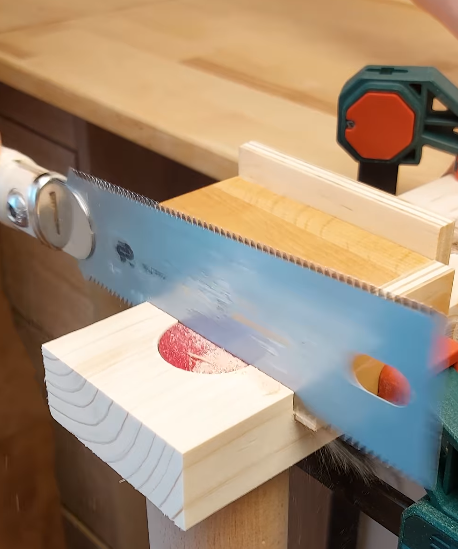
You really don’t need a full workshop to get started. A hand saw, a set of clamps, sandpaper in a few grits, a measuring tape, and a decent drill will cover most beginner projects.
Power tools like a circular saw or a jigsaw are useful upgrades once you’re more comfortable, but they’re not required on day one. Buying tools slowly as your projects demand them is a smarter approach than dropping a paycheck on gear you might not touch again.
Choosing the Right Wood
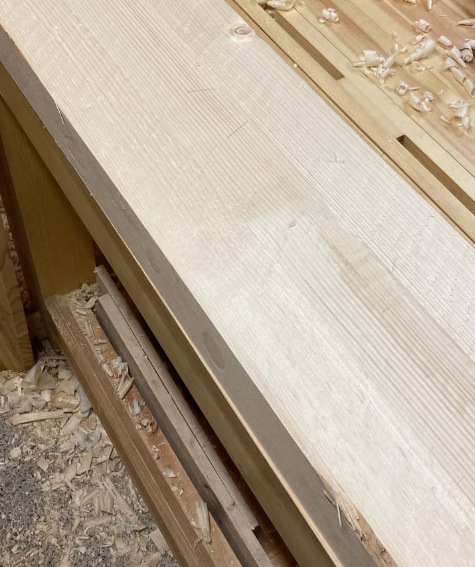
Pine is usually the go to choice for beginners since it’s soft, affordable, and easy to cut. Poplar is another good option if you want something a little sturdier without jumping straight into harder woods like oak or maple.
Whatever you pick, buy a bit extra. You will mess up a cut at some point, and having spare material saves you a frustrating trip back to the store.
A Few Honest Tips
Measure twice before you cut, every single time, even when you’re sure you already got it right. Sand more than you think you need to, since a smooth finish hides a lot of small mistakes.
And don’t rush the glue drying time, even when you’re excited to see the final piece come together. Patience is honestly the biggest skill in woodworking, more so than any tool you’ll ever buy.
Final Thoughts
Woodworking is one of those hobbies that rewards you slowly. Your first project might look a little rough, your second one a bit better, and by your fifth or sixth build you’ll notice real improvement without even trying that hard. The key is just to start, pick something simple, and let the mistakes teach you along the way.
FAQs
What is the easiest woodworking project for a complete beginner?
A cutting board or a simple coaster set is usually the easiest place to start since it only requires basic cuts and sanding.
Do I need power tools to start woodworking?
Not at all. Many beginner projects can be completed with hand tools like a saw, clamps, and sandpaper. Power tools can come later.
What type of wood is best for beginners?
Pine and poplar are both great choices since they’re affordable, easy to work with, and forgiving of small mistakes.
How much does it cost to start woodworking as a hobby?
You can get started for a relatively small amount, often under a hundred dollars, if you buy basic hand tools and inexpensive wood like pine.
How long does it take to get good at woodworking?
It varies from person to person, but most beginners notice real improvement after just a handful of projects, usually within a few months of regular practice.
Thanks for taking the time to read this guide! We hope it helped answer your questions. If there is anything you would like to add or ask, feel free to leave a comment below. You can also explore more helpful articles on our website.

I’m Alex, the voice behind Saw Mentor. With years of real, hands-on experience in the tools industry, I’ve learned one thing: the right tool makes all the difference.
At Saw Mentor, I share straightforward advice, honest reviews, and practical insights to help you make smarter decisions without the guesswork.
1 thought on “Woodworking Ideas for Beginners”