

If you have ever walked past a pile of scrap lumber and thought “I could probably make something with that,” you are already halfway to enjoying easy woodworking projects. You do not need a garage full of machinery or years of training to build something useful with your hands.
All it really takes is a few basic tools, some patience, and a project small enough that you will not lose steam halfway through. That is the whole point of starting small. When a project only takes an afternoon, you get to feel that little rush of finishing something before boredom or frustration has a chance to creep in.
Why Starting Small Actually Matters
A lot of people quit woodworking before they even get good at it, simply because their first project was too ambitious. Building a full bookshelf or a dining table sounds exciting until you realize how many things can go wrong: uneven cuts, warped boards, joints that do not quite line up.
Small projects remove most of that pressure. A cutting board, a birdhouse, or a simple shelf teaches you the same fundamental skills as a big build, just with far less risk of ruining an entire weekend. Once you get comfortable measuring, cutting straight lines, and sanding properly, moving on to bigger things becomes a lot less intimidating.
Tools You Actually Need to Get Started
You do not need a full workshop to begin. A basic set will cover almost everything a beginner needs: a hand saw or circular saw, a drill, sandpaper or an electric sander, wood glue, clamps, and a measuring tape.
A miter saw is nice to have once you get more serious, but it is not required for your first few builds. Buying tools slowly as your skills grow is honestly the smarter approach anyway, since you will learn which ones you actually use versus which ones just sit in the corner collecting dust.
Project Ideas That Are Genuinely Easy
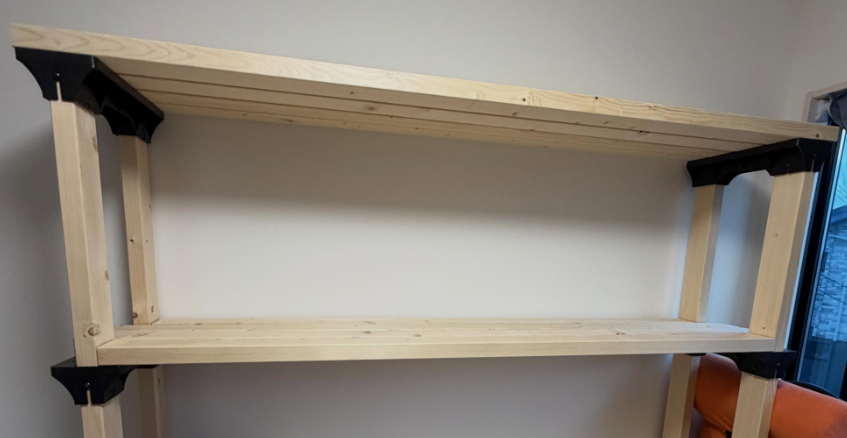
A simple wooden shelf is probably the best place to start. All you need are a couple of boards, some brackets, screws, and a level. Cut the wood to size, sand the edges smooth, attach the brackets, and mount it to the wall. You can stain or paint it however you like once it is up.
A cutting board teaches you how to work with edge grain and gives you something practical you will actually use in your kitchen. Pick a food safe wood like maple or walnut, glue a few strips together, sand them down, and finish with mineral oil.
A small planter box is another forgiving project since it does not need to be perfectly airtight or precise. Cedar works well because it resists rot naturally, so you will not have to worry as much about it falling apart outside.
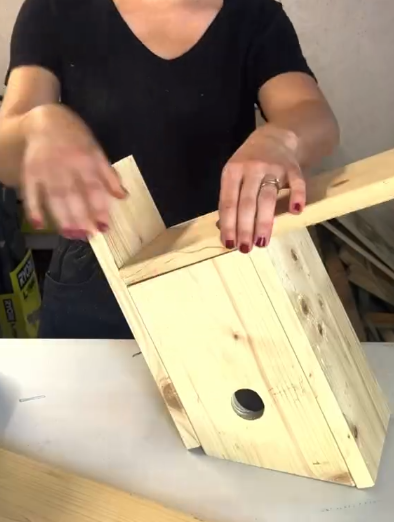
A birdhouse sounds almost too simple, but it teaches basic joinery and measuring in a low stakes way. Kids often enjoy helping with this one too, which makes it a nice weekend activity if you want company in the workshop.
A step stool is slightly more advanced but still manageable for beginners. It introduces you to angled cuts and gives you a functional piece of furniture at the end of it.
A Few Tips Before You Start Cutting
Measure everything twice before you cut once. It sounds like a cliché because it is true, and it saves more wood than any other habit you could form. Sand between coats of finish rather than only at the end, since it gives a much smoother final result.
Do not rush glue drying times either, even when you are excited to see the finished piece. Clamping for the full recommended time really does make a difference in how strong the joint ends up being.
Lastly, do not be afraid of mistakes. Almost every experienced woodworker has a story about a piece that split, a cut that went crooked, or glue that dried before they were ready. It happens to everyone, and it is genuinely part of how you learn to read wood and tools better over time.
Wrapping Up
Easy woodworking projects are less about the final product and more about building confidence with your hands. Start with something small enough to finish in a day or two, use basic tools you already have or can borrow, and let yourself make a few mistakes along the way. Before long, you will find yourself looking at leftover lumber the same way, wondering what you could turn it into next.
Frequently Asked Questions
What is the easiest woodworking project for a complete beginner?
A simple wall shelf is usually the easiest starting point. It only requires a few straight cuts, basic hardware, and no complicated joinery.
Do I need power tools to start woodworking?
Not necessarily. Many beginner projects can be built with hand tools alone, though a drill and a basic saw will make things go noticeably faster.
What type of wood should beginners use?
Pine and cedar are both good options since they are affordable, easy to cut, and forgiving if you make a small mistake along the way.
How much does it cost to start woodworking as a hobby?
You can start for well under a hundred dollars if you already own a few household tools. Wood for small projects is inexpensive, and many beginner builds only use a couple of boards.
How long does it usually take to finish an easy project?
Most beginner projects like shelves, cutting boards, or planter boxes can be completed in a single afternoon, though drying and finishing time may stretch it into the next day.
Thanks for taking the time to read this guide! We hope it helped answer your questions. If there is anything you would like to add or ask, feel free to leave a comment below. You can also explore more helpful articles on our website.

I’m Alex, the voice behind Saw Mentor. With years of real, hands-on experience in the tools industry, I’ve learned one thing: the right tool makes all the difference.
At Saw Mentor, I share straightforward advice, honest reviews, and practical insights to help you make smarter decisions without the guesswork.