

If you’ve ever ripped through a sheet of plywood only to end up with a chipped, splintered edge, you already know why finding the best circular saw blade for cutting straight lines in plywood matters so much.
Plywood looks tough, but the thin veneer layer on top chips out easily if your blade isn’t built for the job. The good news is that once you understand what actually makes a blade good for plywood, picking one gets a lot easier.
Why Plywood Is Tricky to Cut
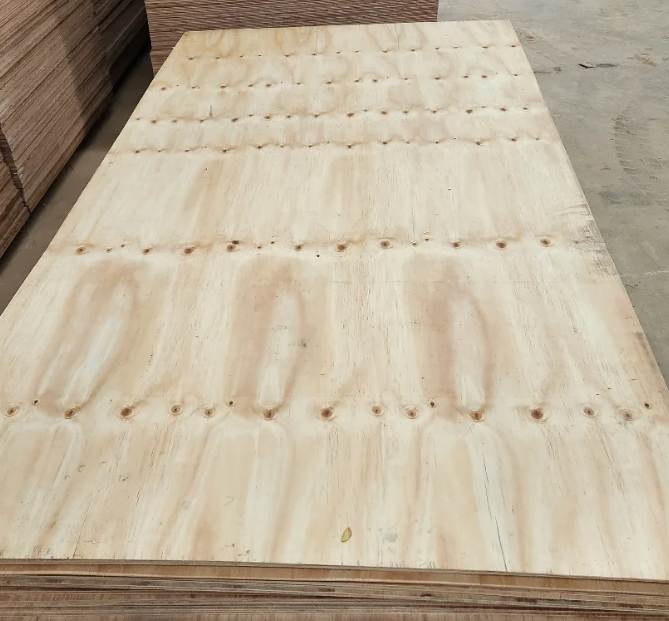
Plywood is made of thin layers glued together, and the top layer is often just a fraction of a millimeter thick. A blade with too few teeth, or teeth ground the wrong way, will tear right through that top layer before the cut is even finished.
That’s why a blade meant for framing lumber or a rough construction blade almost never gives you a clean edge on plywood. You need something designed specifically to slice through veneer without ripping it apart.
What to Look for in a Plywood Blade
Tooth Count
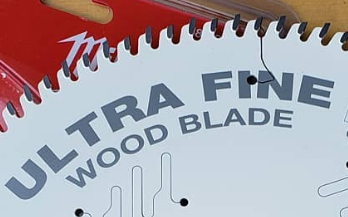
This is probably the single biggest factor. Blades with a high tooth count, usually somewhere between 60 and 80 teeth on a 7 1/4 inch blade, leave a much smoother finish because each tooth removes a smaller bite of material.
Fewer teeth cut faster but leave rougher edges, which is fine for framing but not what you want when the cut will be visible.
Tooth Grind
Look for an ATB grind, which stands for alternate top bevel. The teeth alternate angles, slicing through the wood fibers instead of just chopping through them. This is what really controls splintering, even more than tooth count alone.
Kerf Width
A thin kerf blade removes less material with each pass, which means less strain on your saw’s motor and a slightly cleaner cut. It also wastes less wood, which matters if you’re working with expensive hardwood plywood.
Blade Material
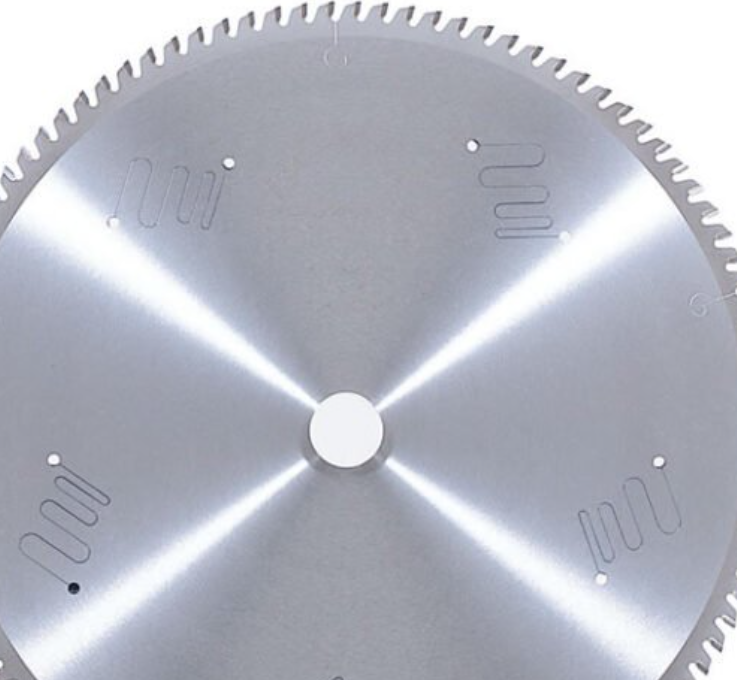
Carbide tipped blades hold their edge far longer than steel blades and stay sharp through many more cuts. Since plywood glue can dull a blade quickly, carbide is really the only sensible choice for this kind of work.
A Few Reliable Options
You don’t need to overthink the brand, but a few names consistently show up when woodworkers talk about plywood blades. Freud makes a Diablo line with high tooth counts and a laser cut design that stays flat during long rip cuts.
Makita’s specialty plywood blades are another common pick, known for leaving glass smooth edges with almost no tear out. Irwin and DeWalt also make solid finish blades that work well if you’re already using their tools and want something dependable without hunting around.
Tips for a Straighter, Cleaner Cut
Even the best blade won’t save a cut if the technique is off. Use a straight edge guide, or track saw rail clamped to the sheet so the saw has something to ride against. Score the cut line first with a utility knife if you’re working with delicate veneer, since this gives the blade a clean starting point and stops fibers from lifting.
Keep the good side of the plywood facing down if your saw cuts on the up stroke, since that’s the side more likely to splinter. Go slow. Rushing a cut is one of the fastest ways to end up with chip out, no matter how good the blade is.
Final Thoughts
There isn’t one single blade that works for every situation, but a high tooth count carbide blade with an ATB grind will handle almost any plywood project you throw at it. Pair it with a good straight edge and a bit of patience, and you’ll get cuts that look like they came out of a cabinet shop rather than a garage.
FAQs
How many teeth should a circular saw blade have for cutting plywood?
Most woodworkers recommend somewhere between 60 and 80 teeth for a standard 7 1/4 inch blade. More teeth generally means a cleaner cut with less splintering.
Can I use a regular framing blade on plywood?
You can, but you probably won’t like the result. Framing blades usually have fewer teeth and are built for speed rather than a clean finish, so expect noticeable tear out on the top layer.
Does blade direction matter when cutting plywood?
Yes. Since most circular saws cut on the upward stroke, the underside of the cut tends to stay cleaner. Placing the good face of the plywood down before cutting usually gives better results.
Is a thin kerf blade better for plywood than a full kerf blade?
For most plywood work, yes. A thin kerf blade puts less strain on the saw and wastes less material, and the difference in cut quality is usually negligible for typical projects.
How often should I replace or sharpen my plywood blade?
It depends on how much you’re cutting, but a carbide blade used regularly on plywood should be sharpened or swapped after it starts leaving rougher edges or requires more force to push through the material. Waiting too long often leads to burning or increased chip out.
Thanks for taking the time to read this guide! We hope it helped answer your questions. If there is anything you would like to add or ask, feel free to leave a comment below. You can also explore more helpful articles on our website.

I’m Alex, the voice behind Saw Mentor. With years of real, hands-on experience in the tools industry, I’ve learned one thing: the right tool makes all the difference.
At Saw Mentor, I share straightforward advice, honest reviews, and practical insights to help you make smarter decisions without the guesswork.