

Let’s be honest, most people buy a cordless chainsaw, use it a handful of times, and then wonder why it’s sluggish or struggling to cut through a log that should be no problem. Nine times out of ten, it comes down to maintenance, or the lack of it.
The good news? Keeping a cordless chainsaw in solid shape isn’t complicated. It doesn’t require a workshop full of tools or a mechanical background. You just need to know what to check, how often, and what to watch out for.
Here’s everything you need to know.
Start With the Chain. It’s the Heart of the Saw
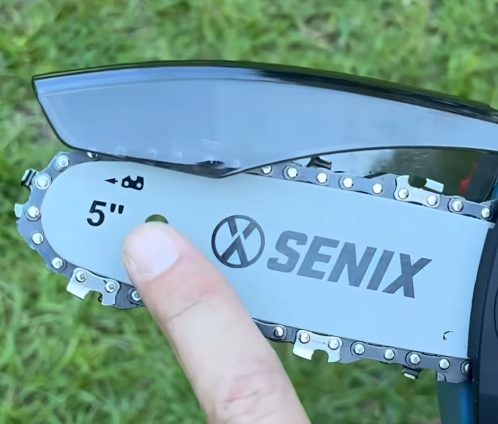
If there’s one thing that’ll make or break your cutting experience, it’s the condition of the chain. A dull chain doesn’t just make the work harder, it puts extra strain on the motor, drains your battery faster, and can actually be more dangerous because you end up forcing the saw.
How to tell if it’s dull: If you’re pressing down hard and the saw is producing fine sawdust instead of wood chips, the chain needs sharpening. A sharp chain bites and pulls itself through wood. A dull one just grinds.
Sharpening the chain: You can use a round file that matches your chain’s pitch, or pick up an inexpensive electric chain sharpener. Go slow, keep a consistent angle (usually around 30–35 degrees depending on your chain), and work each tooth evenly. If you’ve never done it before, watch a couple of YouTube videos first; it clicks quickly once you see it done.
When to replace instead of sharpen: If the teeth are really worn down, cracked, or if the chain has been sharpened so many times that the cutters are nearly gone, it’s time for a new chain. Chains aren’t expensive, and a fresh one makes a world of difference.
Keep the Chain Properly Tensioned
A loose chain is a safety hazard. A chain that’s too tight will wear out prematurely and put stress on the bar and sprocket. Getting the tension right is one of those quick checks that takes thirty seconds but matters a lot.
The right tension: With the saw off and the bar pointing forward, you should be able to pull the chain slightly away from the bottom of the bar, maybe a quarter inch, and when you let go, it snaps back. It shouldn’t sag, but it also shouldn’t be drum-tight.
How to adjust: Most cordless chainsaws have a side panel that you loosen to access the tensioning screw. Turn it clockwise to tighten, counterclockwise to loosen. Snug the panel back up after adjusting. Check again after the first few cuts on a new or re-tensioned chain, since they tend to stretch a little once they warm up.
Oil the Bar and Chain Every Single Time
This is the one maintenance step people skip most often, and it causes the most damage. Friction between the chain and the bar generates serious heat. Without lubrication, you’ll get accelerated wear on both, and eventually the bar can warp, or the chain can break.
Most cordless chainsaws have a built-in oil reservoir with a window so you can see the level. Fill it with bar and chain oil before each use, not motor oil, not vegetable oil, not WD-40. Actual bar and chain oil is designed to stick to the chain even at high speed.
Check the oiler is working: Before you start cutting, hold the running saw over a piece of light cardboard or paper for a few seconds. You should see a faint line of oil spray. If you’re not getting that, the oiler port might be clogged. Clean it out with a thin wire or a toothpick.
Clean the Bar and Chain
Every few uses, take the bar off completely and give everything a proper clean. Sawdust, resin, and oil build up in the bar groove and around the sprocket nose. When that gunk packs in, the chain can’t move freely.
What to do:
- Remove the bar and chain
- Use a flat-head screwdriver or a dedicated bar groove cleaning tool to clear out the groove running along both sides of the bar
- Clean the sprocket hole at the tip of the bar. This is where a lot of debris collects
- Wipe down the bar with a rag
- While everything is apart, check the bar for uneven wear. If one side of the groove is more worn than the other, flip the bar around. Most bars are designed to be run on both sides
Look After the Battery
With a cordless saw, the battery is as important as the chain. Treat it poorly, and you’ll notice the performance drop long before the battery’s actual end of life.
A few simple habits that help:
- Don’t store a lithium battery completely drained. If you’ve just finished a big job and run it down, give it a partial charge before putting it away.
- Avoid leaving it in extreme heat, such as sitting in a hot car, for example, which degrades the cells over time.
- Store the battery indoors during long periods of non-use, not in the shed or garage where temperatures swing.
- If your saw came with a battery management system, pay attention to any indicator lights. Most modern batteries will tell you when something’s off.
Also, check the battery terminals occasionally. Dust and debris can get in there and affect the connection. A quick wipe with a dry cloth keeps things clean.
Inspect the Bar Regularly
The guide bar takes a beating. Over time, it wears, and a worn bar will affect cutting accuracy and chain life.
Run your finger along both edges of the bar. It should feel relatively even. If one side is noticeably more worn (you’ll feel a slight lip or ridge), flip the bar so the wear evens out. If the groove is widened or damaged, the bar needs to be replaced. A worn bar chews through chains quickly.
Also check for cracks or bends. A bent bar won’t track straight and will make every cut frustrating.
Check the Sprocket
The drive sprocket, the toothed gear that drives the chain, wears down over time. As a rough rule, replace the sprocket after every two chains. Running a new chain on a worn sprocket will wear out the chain faster and can cause skipping.
It’s a cheap part, and swapping it out when you replace the chain makes good financial sense.
Keep It Clean Overall
After each use, take a couple of minutes to wipe the whole saw down. Clear debris from the air vents. These are especially important on battery-powered saws since the motor needs airflow to stay cool. Clogged vents mean a hotter motor, which shortens the lifespan of both the motor and the battery.
Check that all the bolts and screws are tight. Chainsaws vibrate a lot in use, and fasteners can work themselves loose over time.
Storage Tips
If you’re putting the saw away for a season or a few months, do these things before you store it:
- Clean the chain and bar, then apply a light coat of oil to prevent rust
- Empty or top off the bar oil reservoir (opinions differ here; some people drain it to avoid leaks, others top it off to keep seals from drying out; check your manual)
- Remove the battery and store it separately at around 40–60% charge
- Store the saw in a dry place, ideally with the bar cover on
A Realistic Maintenance Schedule
You don’t need to overthink this. Here’s a simple way to think about it:
Before every use: Check chain tension, top up bar oil, and inspect the chain for obvious damage.
Every few uses: Clean the bar groove, check chain sharpness, wipe down the saw.
Every season or every 10 hours of use: Sharpen or replace the chain, inspect the bar, check the sprocket, clean air vents thoroughly.
Annually: Full inspection, replace worn parts, check all fasteners.
Final Thought
A cordless chainsaw is a genuinely useful tool, and the battery-powered format has gotten good enough that plenty of people have ditched corded and gas saws entirely. But like any tool, you get out what you put in. Spend ten minutes on maintenance after a session and the saw will perform well for years. Ignore it, and you’ll be fighting the tool every time you pick it up.
The chain, the bar oil, and the battery keep those three things in good shape and you’re most of the way there.