

Most gardeners will sharpen their tools religiously, oiling the hinges, cleaning off the sap, keeping everything in a tidy shed. But the pruning saw blade? That often gets ignored until it’s practically useless. And by then, you’ve probably been fighting your way through branches for longer than you should have.
So let’s talk about it honestly: when is it actually time to swap out that blade?
The Honest Answer: Your Arm Will Tell You First
Before we get into any specific signs, here’s the thing most experienced gardeners will tell you: you just know when a blade is done. You start leaning into cuts. Your shoulder gets sore on jobs that used to be easy. The saw skips instead of biting. That feeling of extra effort where there shouldn’t be any is usually the first real signal, even before you notice anything visually wrong with the teeth.
Trust that instinct. Don’t keep pushing through it.
Signs It’s Time to Replace the Blade
1. The Teeth Are Dull or Bent
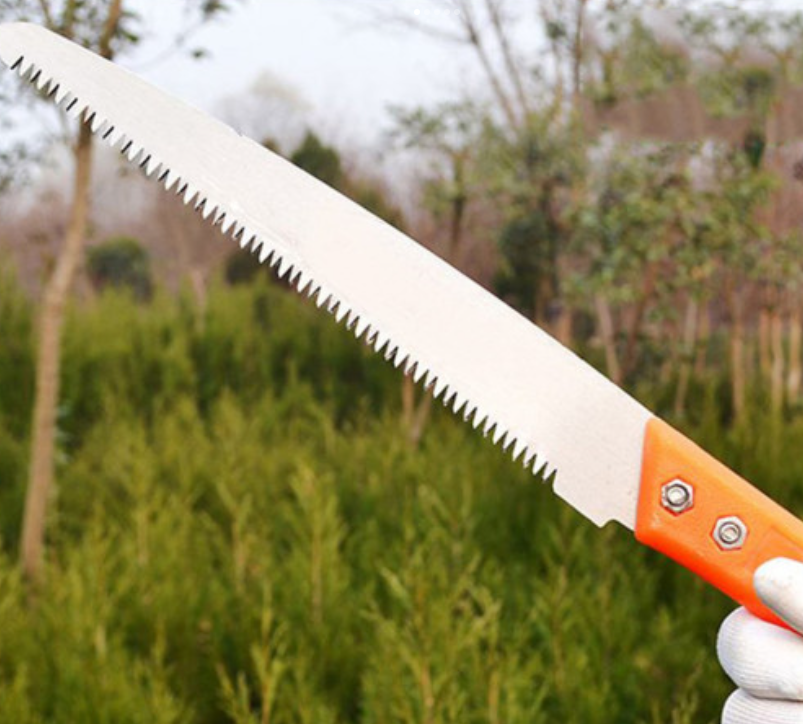
Run your thumb very carefully across the top edge of the teeth (not into them). Sharp teeth feel almost aggressive, like they want to catch. Dull ones feel smooth, almost soft. If you can’t feel any bite at all, the blade is well past its prime.
Bent teeth are a different problem. If you notice any teeth flaring out unevenly or pointing in odd directions after a particularly rough cut, that blade is going to give you an uneven, ragged cut every single time, and that’s bad for the tree too, not just your patience.
2. The Blade Is Starting to Rust Through
Surface rust that you can wipe off with an oily cloth? That’s fine and totally normal, especially if you garden in a wet climate. But rust that’s pitting into the metal itself, creating small craters along the blade or between the teeth, that’s structural damage. It weakens the steel and means the teeth won’t hold an edge even if you try to sharpen them.
At that point, no amount of WD-40 is going to save it.
3. You’re Tearing Instead of Cutting
A good pruning saw leaves a reasonably clean cut. Not surgical, but clean enough that the tree can heal over it without too much trouble. If you’re finishing cuts and the wood looks shredded or frayed rather than sliced, your blade is dragging rather than cutting. That’s rough on the plant and rough on you.
Torn cuts also invite disease into the wood, something worth caring about if you’re dealing with fruit trees or ornamental varieties.
4. The Blade Wobbles or Flexes Too Much
Some flex is by design, especially on folding saws. But if your blade has developed a visible warp along its length, or if it wobbles side-to-side during a cut in a way it never used to, the metal has been stressed beyond what it can recover from. A wobbly blade wanders in the cut and makes accurate pruning basically impossible.
5. It Takes More Passes Than It Used To
Keep a loose mental note of how many strokes it takes you to get through a branch of a given size. If a 2-inch limb that used to take you six or eight strokes now needs fifteen or twenty, the blade is working at a fraction of its original efficiency. This one creeps up slowly, which is why a lot of people don’t notice until the saw is quite far gone.
Can’t You Just Sharpen It Instead?
Sometimes, yes. If you caught the dullness early and the teeth aren’t damaged, a few passes with a triangular file can bring a blade back nicely. Some professional gardeners sharpen their blades two or three times before replacing them.
But there’s a point of diminishing returns. Pruning saw teeth are typically hardened steel, which means they hold an edge well but can be brittle once the surface coating wears through. Once the teeth have been sharpened down significantly, or if they’re bent rather than just dull, replacement makes more sense than trying to rescue them.
Replaceable-blade saws, which a lot of the better brands now make, take this decision out of your hands in a practical way. You just swap the blade and move on.
How Often Should You Expect to Replace It?
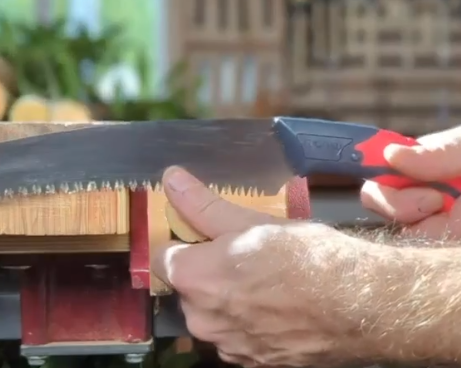
There’s no fixed rule here, because it entirely depends on how much you use the saw and what you’re cutting through. Someone who does a hard prune twice a year on a small garden might get five or six years out of a blade. Someone clearing brush and cutting green wood every weekend might need a new one every season.
What matters more than time is condition. Let the blade tell you, not the calendar.
One More Thing Worth Mentioning
A worn blade doesn’t just slow you down; it actually makes the work less safe. You end up applying more force, which increases the chance of the saw jumping out of the cut. And a blade that wanders or skips is unpredictable in a way that a sharp one never is.
Replacing a blade when it’s needed isn’t a luxury. It’s just basic maintenance, and your joints will thank you for it.

I’m Alex, the voice behind Saw Mentor. With years of real, hands-on experience in the tools industry, I’ve learned one thing: the right tool makes all the difference.
At Saw Mentor, I share straightforward advice, honest reviews, and practical insights to help you make smarter decisions without the guesswork.