

If you’ve ever sharpened your chainsaw chain in the morning and found it struggling to cut by afternoon, you’re not alone. It’s one of the most frustrating things about working with a chainsaw, and honestly, it took me a while to figure out why it kept happening.
The short answer? A dull chain is almost never just “bad luck.” Something specific is causing it, and once you know what to look for, you can actually do something about it.
Hitting Dirt or Rocks Even Once
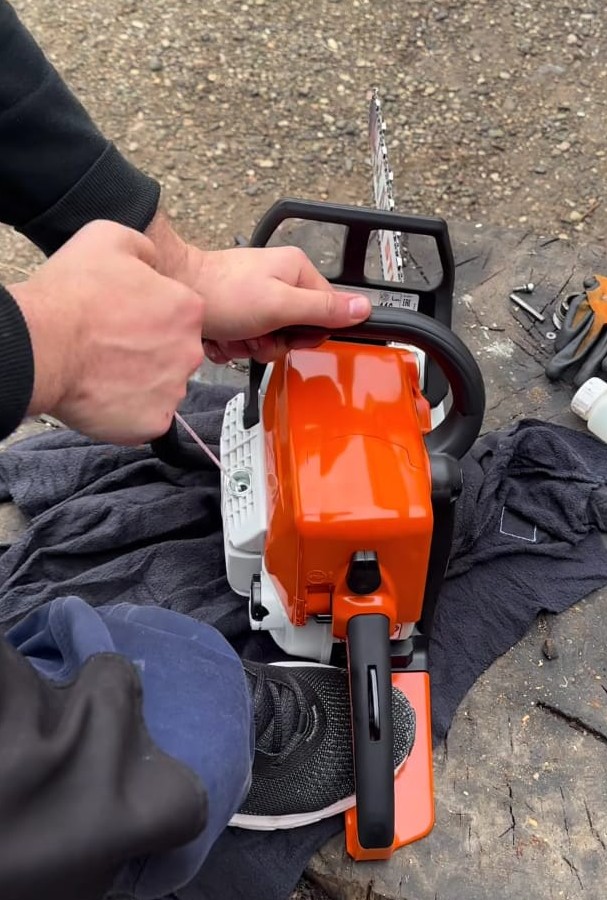
This is the big one. A chainsaw chain is hardened steel, but it’s not invincible. The moment those cutters touch soil, sand, gravel, or a buried rock, the edge is gone. It doesn’t matter if it was just a graze. Dirt is basically fine-grit sandpaper, and rock contact is like running your chain across a grinding wheel for a split second.
If you’re cutting logs off the ground, felling trees near rocky soil, or bucking up wood that’s been lying in the dirt this is almost certainly your problem. Even experienced chainsaw users catch themselves doing it without thinking.
The fix: always get your log off the ground before cutting, even just a few inches. A cheap log stand or a couple of scrap blocks make a real difference.
Cutting Wet or Frozen Wood
Fresh-cut green wood and frozen timber are surprisingly hard on chains. Frozen wood, especially when it cuts almost like cutting plastic. The resistance is different from dry wood, and it forces the chain to work harder, generating more heat and friction at the cutting edge.
This doesn’t mean you shouldn’t cut in winter, but it’s worth knowing that your chain will dull faster in January than it will in July on the same species of wood.
The Chain Tension Is Off
Too loose and the chain slaps around, creating uneven wear. Too tight and it’s under constant stress, which heats up the metal and dulls the cutters faster than normal use.
A lot of people set tension and forget it. But chains stretch as they warm up, especially when new. Checking tension every 20–30 minutes of run time is not overkill; it actually makes your chain last significantly longer.
Wrong File Size or Bad Sharpening Technique
This one stings because it means your efforts to fix the problem are making it worse. Every chain has a specific file diameter it needs, usually 5/32″, 3/16″, or 7/32″, depending on the pitch. Using the wrong size rounds off the cutter instead of actually sharpening it.
Angle matters too. If you’re freehanding and your file angle is inconsistent, you end up with cutters that look sharp but don’t cut efficiently. They grab and tear instead of slicing cleanly, which generates more heat and dulls faster.
If you’re sharpening by hand, a good filing guide is worth every penny. It takes the guesswork out completely.
You’re Running the Bar Dry
The bar and chain need constant oil to stay cool and reduce friction. If your oiler isn’t working properly, a clogged port, an empty reservoir, or a faulty pump, the chain is running hot. Heat kills the temper of the steel and makes it go dull fast.
Here’s a simple test: hold your bar near a piece of cardboard or light wood and rev the engine. You should see a fine mist of oil being thrown off. No mist means no lubrication, and that’s a problem you need to fix before the next cut.
The Steel Quality of the Chain Itself
Budget chains exist, and sometimes they’re fine for light work. But the steel isn’t always hardened to the same standard as Oregon, Stihl, or Husqvarna chains. They’ll start sharp but lose that edge fast.
If you’ve been buying the cheapest chain you can find and wondering why it dulls after an hour of cutting, this might be your answer. A better quality chain sharpened properly will hold its edge two or three times longer in real use.
You’re Just Due for a Sharpening
Sometimes the answer is simple: the chain has had a good run, and it’s time. Most cutters can only be sharpened a certain number of times before the depth gauges need filing down, too. If you’ve sharpened the same chain eight or ten times, it might just be at the end of its useful life.
A fresh chain cuts so much better that most people wonder why they waited. At the price of a new chain versus the time spent fighting a dull one, it’s usually worth just replacing it.
Final Thought
A chainsaw chain that dulls quickly is a symptom, not just an inconvenience. Nine times out of ten, there’s a specific reason for dirt contact, improper sharpening, tension issues, or lack of bar oil. Spend five minutes diagnosing the cause, and you’ll spend a lot less time at the sharpening file.
Take care of the chain, and the chain will take care of the cut.